
 EN
EN
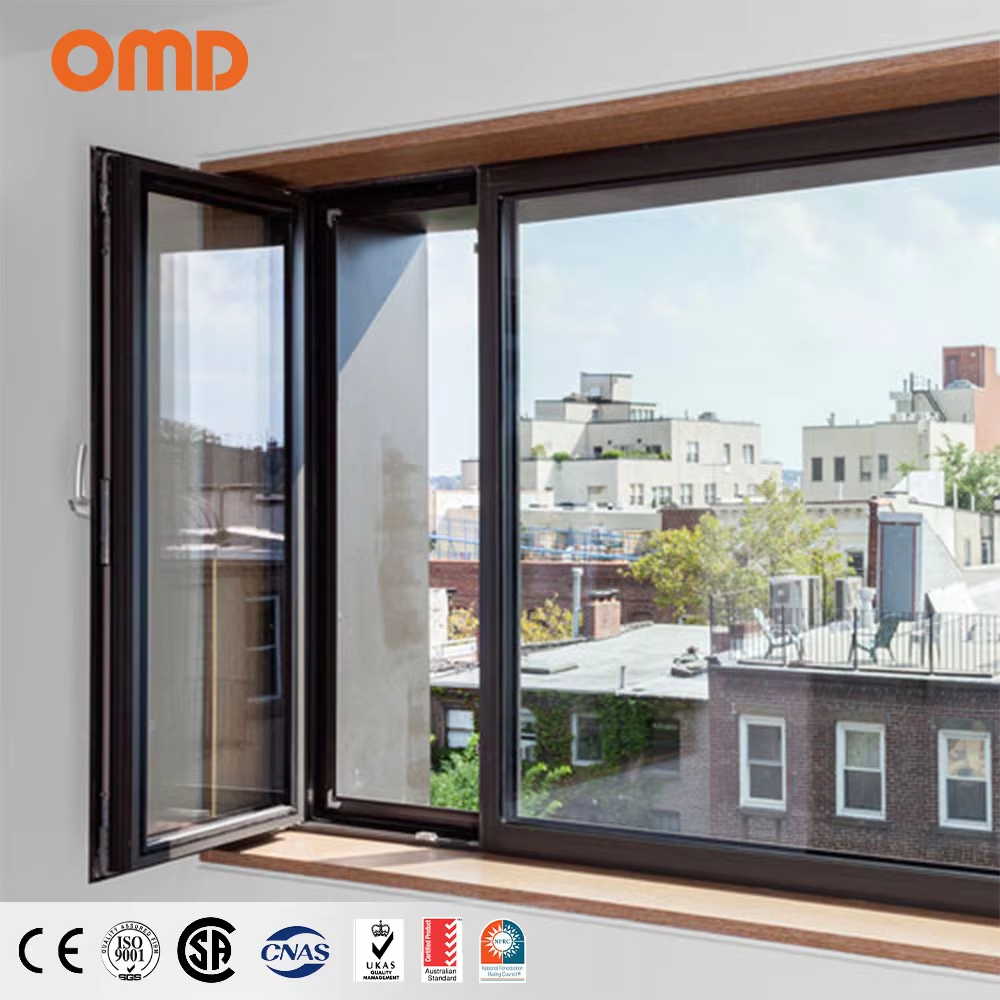
How Casement Window Design Enhances Wind Resistance
Hinged Mechanism and Uniform Load Distribution Under High Winds
Casement windows stand out when it comes to holding up against strong winds because of how they open outward on hinges. The way the sash is built makes it part of the overall structure itself. When these windows are shut tight and secured, the whole thing forms a seal around every edge of the frame, something that sliding or traditional double hung windows just can't match since they tend to leave small spaces where air might get through. Wind pressure gets spread out across the whole window frame instead of building up at specific spots that could fail. Tests done in simulated hurricane conditions show that well installed casement windows handle wind loads about 50% better than standard double hung models. What's interesting is that as wind speeds increase, the force actually pushes the sash harder against those rubber seals, making them work better rather than worse during storms. Builders use heavy duty anchors similar to what boats use and make sure everything lines up perfectly so the whole assembly stays solid and works properly even when subjected to serious sideways forces from bad weather.
Compression Seal Technology Locking Out Hurricane-Force Air Pressure
The multi point locking systems work with these advanced compression seals usually crafted from tough thermoplastic materials. These seals actually squeeze evenly around the entire edge of the window frame. What does this mean? Well it basically stops those tiny air gaps that let drafts sneak through, cutting down on air leaks by about 99.5% even when winds hit over 150 miles per hour. The real kicker is how these materials stay flexible no matter what temperature they face, from bone chilling -40 degrees Fahrenheit all the way up to blistering 160 degrees. That means they keep working properly whether there's a nasty nor'easter blowing in or sand storms in the desert heat. And unlike regular weather stripping which tends to wear out fast, these seals bounce back time and again after being compressed many times. They just keep going for years protecting against heavy rains blown sideways, flying debris, and that pesky pressurized air trying to get inside.
Casement Windows’ Superior Rain and Water Infiltration Control
Tight Compression Seals Preventing Wind-Driven Rain Penetration
Compression seal tech works double duty by stopping both air leaks and creating a solid barrier against sideways rain. When pressure is applied evenly across all four edges of the window frame, it closes those annoying little gaps that typically let water sneak in through sliding windows. This basically cuts off the main routes where moisture would otherwise get inside. Tests done in labs show these sealed windows can handle pretty intense conditions too. They stay dry even when facing wind driven rain at over 8 inches per hour, which is about what we see during a Category 2 hurricane. And this performance holds up at wind speeds going past 50 miles an hour as well. Homeowners looking for real protection from weather extremes should take note of these findings.
Consistent Weatherstripping Performance Across Climate Extremes
Thermoplastic rubber weather stripping works great across a wide temperature range, staying sealed even when temps drop to minus 30 degrees Fahrenheit down to minus 34 Celsius, and it doesn't crack in the cold or lose shape in hot conditions either. The material expands and contracts just right throughout the seasons so the seal stays tight all year long, which matters a lot for places near the coast where humidity is high and also for dry areas inland. Tests on window systems show these seals need about 40 percent less maintenance over time than regular vinyl options. Plus, because there are no gaps in the gasket line, they actually help keep indoor spaces cleaner by blocking dust, pollen and other stuff floating around outside from getting in through tiny cracks.
Long-Term Durability: Installation, Materials, and Coastal Resilience
Weather-Resistant Installation Best Practices for Maximum Casement Window Performance
Around 90 percent of problems with windows along coastlines actually come down to how they were installed rather than any flaws in the products themselves. When it comes to getting things right, there are several important steps worth noting. First off, always check that frames are both square and level before securing them in place. For fasteners, go with marine grade stainless steel and space them about every 16 inches apart. Remember to double up those fasteners at corner joints for extra strength. Next step involves putting in fluid applied flashing membranes together with integrated sill pans. These work together to form what's called a continuous drainage plane. The gaps between sashes and frames should stay within an eighth of an inch so seals compress evenly across the surface. And here's something critical many overlook: never apply sealant when temperatures drop below 40 degrees Fahrenheit. Doing so compromises adhesion which leads to early failures especially when dealing with salty ocean winds blowing against the glass.
Impact-Resistant Glass and Reinforced Frames for Harsh Coastal Environments
Impact resistant laminated glass with a PVB interlayer between layers can soak up and spread out the force from flying debris while still keeping its clarity and structural integrity. When combined with either fiberglass or vinyl clad aluminum frames that have steel reinforcement inside, these windows offer around three times more bending strength compared to regular home windows. The frame materials are non porous so they don't corrode when exposed to salty air, which helps maintain good insulation properties with R values above 3.5 for more than two decades according to tests done in the Florida Keys area. Frames built with multiple chambers plus double weather stripping create extra protection against water getting through, ensuring the window stays watertight even when facing Category 4 hurricane winds.
FAQ Section
What makes casement windows better at wind resistance?
Casement windows open outward on hinges, forming a seal around the frame. This design spreads wind pressure across the entire frame, preventing localized failures and enhancing wind resistance by about 50% compared to traditional windows.
How do compression seals aid in weatherproofing?
Compression seals work by squeezing around the window frame, eliminating air gaps and significantly reducing air leaks even under high wind speeds. They maintain flexibility in extreme temperatures, providing consistent protection over time.
Why are casement windows recommended for coastal areas?
Casement windows are built with impact-resistant glass and reinforced frames, providing increased protection against storm debris and salty air. They offer superior insulation and durability, making them highly suitable for harsh coastal environments.