
 EN
EN
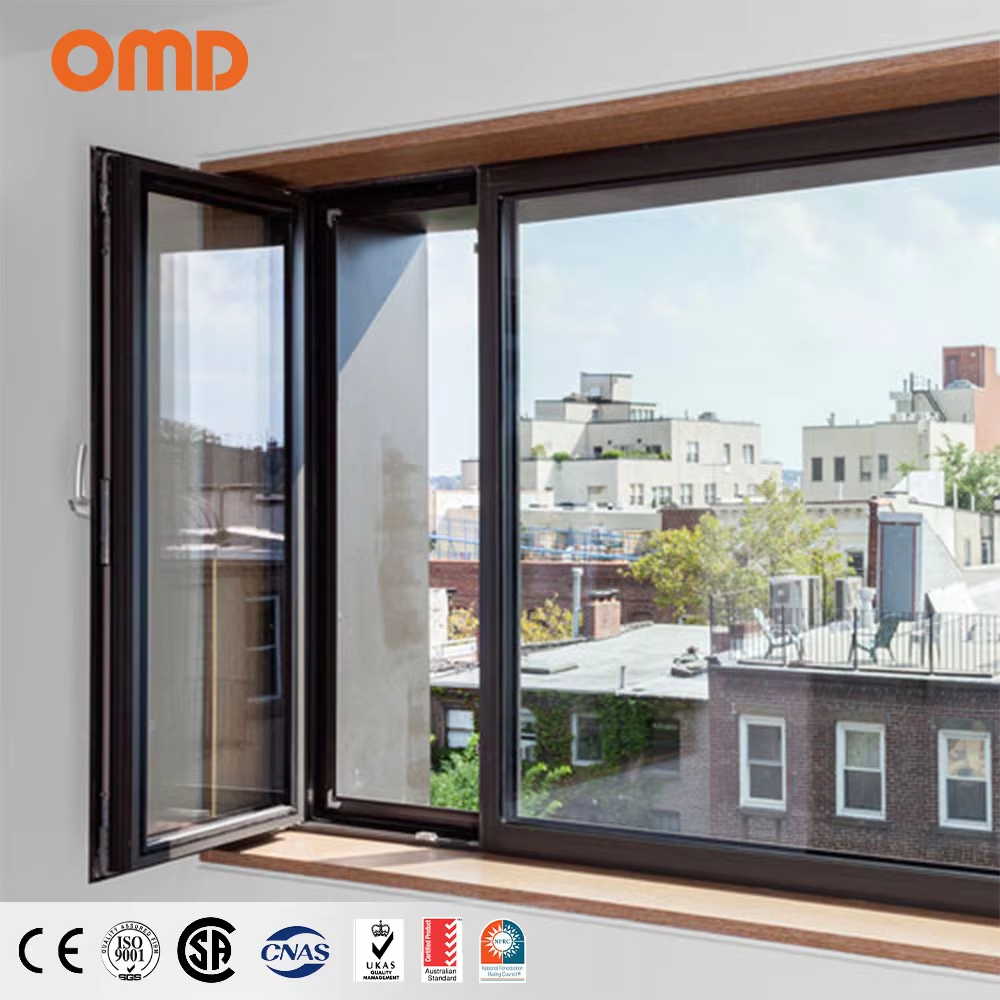
Superior Sealing and Draft-Free Comfort
How casement windows eliminate drafts with compression weatherstripping and rigid frame alignment
Casement windows are pretty much the best when it comes to keeping air out thanks to how they're built. When someone turns the crank handle, the window sash actually pushes weather stripping all around the frame edges. This creates two layers of protection against drafts something sliding windows just can't match. Regular seals rely on friction alone, but these windows actively compress the sealing material, blocking those tiny cracks where cold air sneaks in during winter months. The frames themselves are made from solid metal pieces welded together rather than glued parts. This makes them much better at handling temperature changes without bending or warping like some cheaper vinyl or aluminum windows tend to do after several years. Studies from 2023 show casement windows let in about 70% less air compared to traditional double hung designs. Because the whole system stays rigid for so long, the seals maintain their grip without developing those annoying drafty spots that make houses whistle in the wind and feel inconsistent temperatures room to room.
The link between consistent indoor temperatures and perceived coziness in living spaces
Getting rid of drafts saves money on heating but also changes how people actually feel in their spaces. When temperatures swing more than 4 degrees Fahrenheit, folks start noticing those annoying cold spots, particularly around windows that aren't properly sealed. Casement windows help keep things steady inside rooms because they form a better barrier against outside temps, which cuts down on those uncomfortable air movements that make certain areas feel colder than others. The result? Warmth stays closer to the glass where people sit by the window reading or just enjoying the view. From a psychological standpoint, having consistent temperatures makes a big difference in how relaxed we feel. Research published in the Journal of Environmental Psychology back in 2022 showed that people living in homes without drafts felt about 38 percent more comfortable overall. What casement windows really do is take something practical like weather stripping and turn it into actual comfort for daily living, giving homeowners that sense of peace knowing their space feels good all around.
Energy Efficiency: Why Casement Windows Lead in Thermal Performance
U-factor, air leakage rates, and NFRC-certified data showing casement windows outperform double-hung and sliding types
When it comes to keeping heat where it belongs, casement windows really stand out thanks to how their compression seals work to block drafts and stop unwanted heat movement. Testing done by the National Fenestration Rating Council shows these windows typically have U-factors about 15 to 20 percent better than other options. They also let in much less air - around 0.3 cubic feet per minute per square foot compared to double hung models that leak between 0.5 and 0.6 cfm/sq ft, and sliding windows which range from 0.6 to 0.7 cfm/sq ft. The real world impact? Homeowners who install casement windows tend to see their heating and cooling systems working about 12% less hard each year according to recent research published in 2023 efficiency reports.
| Window Type | Average U-Factor | Air Leakage (cfm/ft²) | Thermal Performance |
|---|---|---|---|
| Casement | 0.27–0.30 | ± 0.30 | Excellent |
| Double-Hung | 0.32–0.35 | 0.50–0.60 | Moderate |
| Sliding | 0.35–0.40 | 0.60–0.70 | Below Average |
Casement windows have this great feature where the seal is consistent all around, which means no more problem areas like those pesky sliding tracks or the meeting rails on double hung windows that let air escape. When there's less air leakage, homes stay at a more consistent temperature throughout. No more chilly corners forming near walls or floors. The humidity levels also stay more balanced inside, so people don't experience those uncomfortable fluctuations that make spaces feel either too dry or too damp. Plus these windows save energy costs over time while still allowing fresh air to circulate naturally when needed.
Optimized Natural Ventilation for Healthy, Cozy Interiors
Full-sash outward swing enabling maximum cross-ventilation ideal for kitchens, bedrooms, and open-plan layouts
Casement windows really boost natural airflow because they swing out completely on their full sash. Sliding or double hung windows block some of the opening area, but casement windows create clear paths for wind to move through. Putting them facing each other across different rooms or throughout a house makes all the difference for cross ventilation. This setup clears kitchen steam fast, brings fresh air into bedrooms for better sleeping, and moves stale air around in those big open spaces where pockets of still air make people uncomfortable. The crank handle lets folks adjust how much the window opens just right for whatever breeze conditions exist outside. No need for any fancy equipment since the simple turning motion gives precise control over exactly how much fresh air comes in.
Reducing VOCs and humidity buildup through strategic airflow supporting comfort without mechanical cooling
Casement windows are pretty good at keeping indoor air fresh when used strategically. They let in just the right amount of outside air without making the whole house drafty. The air coming in mixes with what's inside, helping to clear out those nasty VOCs that come off furniture, paint jobs, and even cleaning stuff we spray around. At the same time, they push out all that extra moisture from cooking, showers, and people breathing. Studies in building science show that this kind of natural airflow keeps humidity levels under control, staying below the 60% mark where mold really starts to take hold. When there's no standing water or built-up pollutants, folks living in these spaces generally feel better too. Plus, nobody needs to run their dehumidifier as much or blast the AC constantly. On mild days especially, homes with proper casement window placement can save about 30% on cooling costs compared to other setups. People notice the difference too, since it creates a comfortable environment without relying so heavily on mechanical systems.
Aesthetic Customization That Reinforces Warm, Inviting Character
Casement windows really let homeowners express themselves when it comes to making their houses feel warm and inviting. The uninterrupted sightlines work great with all sorts of warm finishes. Think about those beautiful wood grains or maybe something modern like matte black frames or brushed bronze hardware. These styles look fantastic alongside natural stuff we find in nature too - stone countertops, wooden floors, even those cool textured fabrics people love these days. Some folks go for the old school look with divided lites that give off that vintage vibe, while others prefer big panes of glass that flood the room with sunlight. Each choice changes how light moves around the space, creates different rhythms visually, and affects how big or small a room feels. Grille patterns are another option that adds nice little details to the architecture. They cast interesting shadows on walls without blocking what's outside. When matched properly with other design elements inside, these windows stop being mere holes in the wall and start acting as real statement pieces instead. They help create spaces where people actually want to spend time rather than just passing through.
FAQ
Q1: What makes casement windows better at blocking drafts compared to other window types?
A: Casement windows are superior in blocking drafts due to their compression weatherstripping and rigid frame alignment, which forms a tight seal and prevents air leakage more effectively than traditional sliding or double-hung windows.
Q2: How do casement windows contribute to energy efficiency?
A: The compression seals in casement windows improve energy efficiency by providing better insulation, resulting in lower U-factors and reducing the workload on heating and cooling systems by about 12% annually.
Q3: Can casement windows improve indoor air quality?
A: Yes, strategically placed casement windows enhance natural ventilation, help reduce VOCs, and maintain balanced humidity levels, thereby contributing to a healthier indoor environment.
Q4: Are casement windows customizable in terms of design?
A: Casement windows offer extensive design customization options, allowing homeowners to choose from various finishes, frames, and grille patterns to complement their home decor and create a warm, inviting atmosphere.