
 EN
EN
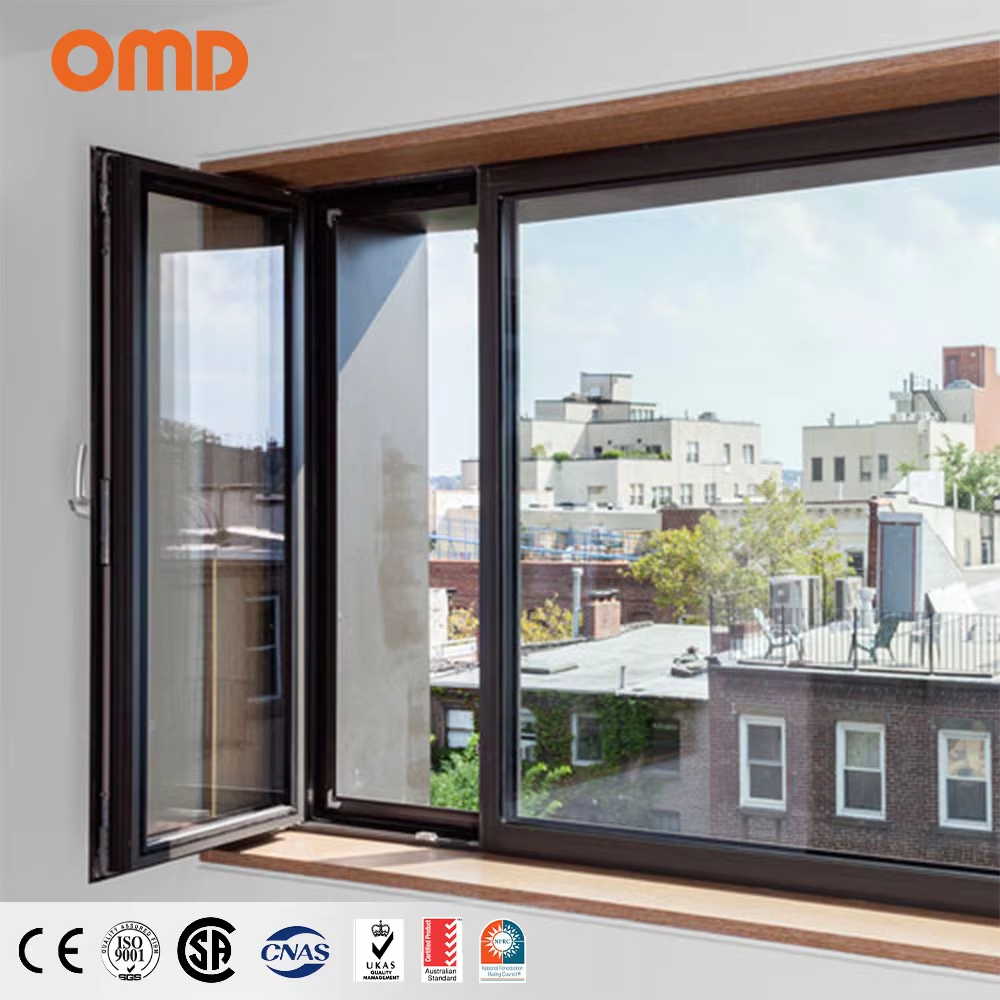
Direct Impact of Casement Windows on Home Appraisal and Resale Value
Quantifying the ROI: Average Home Value Increase from Casement Window Installation
When old windows get swapped out for new casement models, most homeowners see their money back when selling the house later on. Studies show folks usually get around 70 to 80 cents back for every dollar spent on installation because their home becomes worth more. Take a typical scenario where someone replaces ten regular windows for about fifteen thousand dollars total. Their property might actually gain between ten thousand five hundred and twelve thousand dollars in value. Why does this happen? Mainly because better insulated windows save energy bills, they look nicer, and they work better too. Real estate appraisers often point out that houses with updated windows stand out in competitive neighborhoods where potential buyers want everything ready to go without needing repairs or renovations first.
Casement Windows vs. Common Alternatives: Why They Outperform Double-Hung and Sliding Units in Valuation Studies
Casement windows consistently achieve higher appraisals than double-hung or sliding alternatives due to superior performance metrics. Their compression seals minimize air leakage—outperforming sliding tracks by 40% in airtightness tests. This translates to tangible advantages:
- Energy efficiency premiums: Homes with casement windows command 3–5% higher valuations than those with single-pane sliders
- Marketability: Properties featuring casement windows sell 11% faster, per real estate trend reports
- Durability perception: Multi-point locking systems signal security, reducing buyer price negotiation
Appraisers emphasize that casement designs align with modern preferences for clean sightlines and ease of operation. Their versatility in accommodating wider views also increases perceived square footage value.
Energy Efficiency Advantages of Casement Windows
Superior Airtight Sealing and Low U-Factor Performance
Casement windows are pretty good at keeping heat inside thanks to those tight compression seals that really lock things down when closed. What makes them stand out compared to sliding or double hung windows? Well, they've got this multi point locking system that basically closes off all the little escape routes where cold air tends to sneak in. Studies show these windows can cut down on drafts by around 70%, which is pretty impressive if you ask me. When it comes to energy efficiency numbers, look for models with a U factor between 0.20 and 0.30 if they carry the ENERGY STAR certification. The strong seals combined with insulated glass work together to keep temperatures consistent throughout the seasons, meaning less work for heating and cooling systems over time.
5-Year Energy Cost Savings and Utility Bill Reductions
When people put in casement windows around their homes, they often start seeing real money saved on energy bills right from the get-go. Over about five years, most folks report saving anywhere between seven hundred forty dollars to one thousand two hundred bucks according to RESNET's findings from 2023. The better insulation these windows offer cuts down on both heating and cooling needs by roughly twelve to eighteen percent when compared to those old single pane options out there. That means lower monthly bills at the end of the day. During cold winters, the tight seal stops warm air from leaking out, whereas in hot summer months, it keeps that damp outside air from getting inside. So whether it's freezing or sweltering outside, homeowners still see savings month after month. Basically, these windows tend to cover their own cost eventually because of all the energy they save, plus they make living spaces much more comfortable overall.
Curb Appeal and Architectural Flexibility of Casement Windows
First Impressions Matter: How Casement Windows Elevate Exterior Aesthetics and Buyer Engagement
Casement windows really change how homes look on the outside with their clean lines and flexible designs. These windows have big glass panels that let in lots of natural light and show off what's happening outdoors without those annoying rails or sashes getting in the way. The sleek look works surprisingly well across different house styles too. Think about old colonial houses next door to contemporary farmhouses all looking great with casement windows installed. Homeowners can choose from vinyl, wood, or aluminum frames that match whatever color scheme they want for their property. Plus, those hidden hinges make everything look so simple and clean. According to recent real estate reports from 2024, houses with casement windows tend to attract buyers about 23 percent more often during open houses. People just love walking into a space where they can see clearly outside and operate the windows easily. This creates that special curb appeal effect where the house looks instantly at home in its surroundings, which makes potential buyers decide faster.
Long-Term Value Retention Through Durability and Security
Casement windows tend to hold their value really well because they're built tough and come with lots of protection features. The frames are super sturdy and won't warp or rust even after many years outside, so there's less need for repairs down the road. These windows have those multi-point locks that actually work better at keeping intruders out compared to the basic single latch found on most double hung models. Homeowners might even see their insurance rates drop somewhere between 5% to 15% according to some studies we've seen. When it comes to materials, cheap vinyl options just don't cut it long term since they get brittle. But thermally broken aluminum or fiberglass casements stand up much better against cold weather changes and sun damage, which means they keep looking good and functioning properly for years. All these factors together mean fewer replacements needed, safer homes, and nicer curb appeal when it's time to sell. That helps property owners keep more money in their pockets when they finally put their houses on the market.
FAQ
How do casement windows increase home value?
Casement windows enhance home value by improving energy efficiency, offering aesthetic appeal, and providing better security. These factors make homes more attractive to buyers, often resulting in higher appraisals.
What is the energy efficiency advantage of casement windows?
Casement windows offer superior energy efficiency through tight compression seals and multi-point locking systems, significantly reducing drafts and maintaining consistent indoor temperatures.
Why do casement windows have a better marketability factor?
Casement windows are more marketable due to their modern design, ease of operation, and ability to enhance natural light, making homes more appealing to potential buyers.
What kind of materials are best for long-term durability in casement windows?
For long-term durability, thermally broken aluminum or fiberglass casements are recommended over cheaper vinyl options, as they better withstand weather changes and sun damage.