
 EN
EN
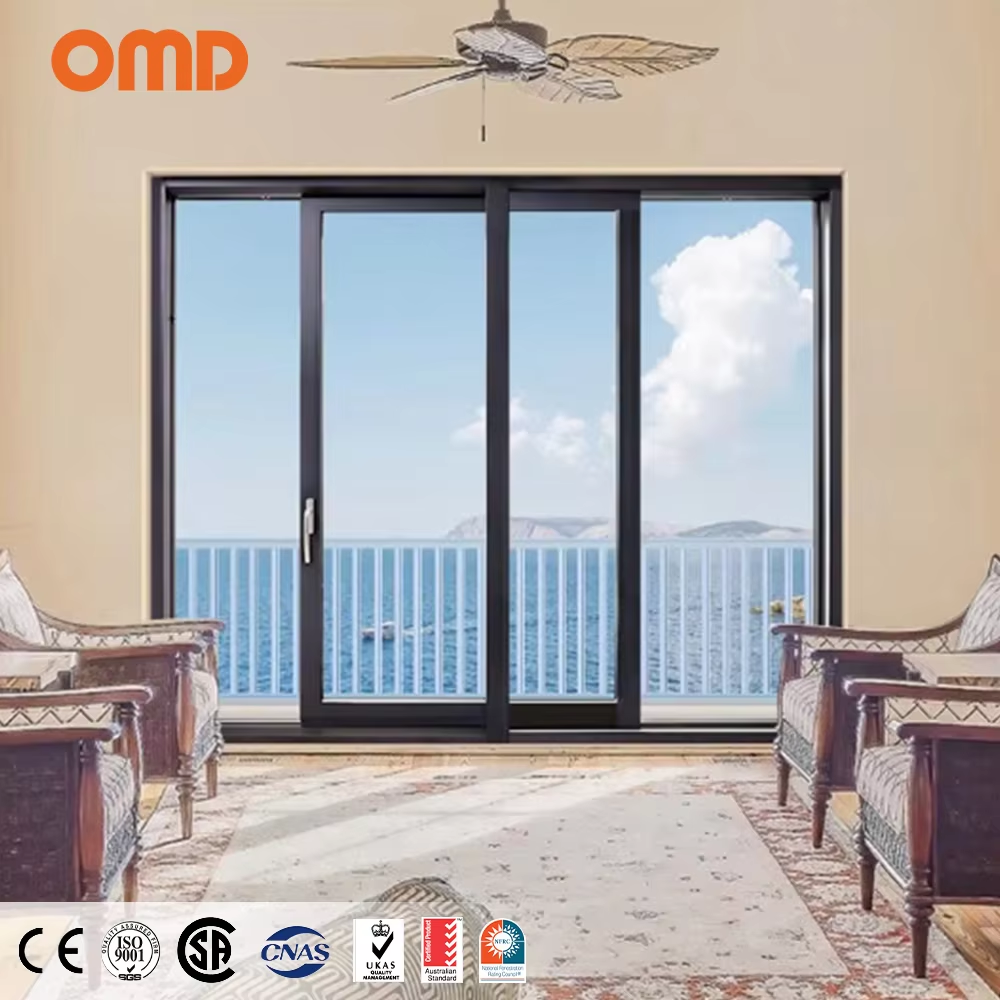
Maximizing Floor Space with Sliding Door Mechanisms
Elimination of Door Swing Space with Sliding Door Mechanisms
Regular swinging doors need about three to four feet of open space when they're used, which creates those awkward no-go areas in rooms that nobody really knows what to do with. Sliding doors solve this problem by moving sideways on tracks instead of swinging outwards. Some recent research from around 2024 suggests these sliding systems can free up roughly 30 square feet of usable area in most installations. For small spaces such as bathrooms and kitchens where floor space is at a premium, this makes all the difference. Homeowners often find themselves able to fit in extra storage solutions or even rearrange furniture layouts once they switch from traditional doors to sliding alternatives.
Optimization of Floor Space for Furniture Placement Using Sliding Doors
Without the obstruction of a swinging door, sliding systems allow furniture to be placed much closer to entryways. A 2024 residential design survey found that 78% of homeowners could position beds or desks within 12 inches of doorway areas after switching to sliding doors, transforming previously unusable corners into functional living zones.
Improved Room Layout and Flexible Design Possibilities
The reclaimed floor space from sliding door installations enables more adaptable room configurations. Designers report a 40% increase in multi-functional zone creation in homes under 1,000 sq ft when using sliding partitions, allowing seamless transitions between home offices, guest sleeping areas, and entertainment spaces.
Seamless Transitions Between Rooms Through Space-Efficient Designs
Sliding doors maintain room separation while promoting visual continuity across adjacent spaces. Glass-panel variants enhance this effect, with 92% of architects noting improved perceived spaciousness in compact apartments when specifying frameless sliding systems over traditional hinged doors.
Ideal Applications of Sliding Doors in Compact Living Areas
Sliding Doors for Small Bathrooms: Maximizing Usability in Tight Spaces
When looking at standard bathroom sizes around 40 square feet, sliding doors can actually save between 9 to 12 square feet that would otherwise be taken up by swinging doors according to the National Kitchen & Bath Association from 2023. The added room makes all the difference for getting into showers, reaching vanities, and accessing storage areas, plus it helps meet those important accessibility requirements. And let's not forget about frameless glass options either. These really help spread light throughout windowless spaces, which creates better depth perception but still keeps things private enough for most people.
Integration of Sliding Doors in Kitchen Layouts for Enhanced Flow
Sixty percent of galley kitchens under 150 sq. ft. now incorporate sliding pantry doors or pass-through systems. By eliminating swing interference, these designs allow simultaneous access to refrigerators, countertops, and cooking zones. This space-conscious approach reduces collision risks by 34% compared to traditional cabinet doors (Ergonomic Design Council 2022).
Adapting Small Rooms with Multi-Panel and Barn-Style Sliding Door Systems
Barn-style sliding systems are used in 85% of studio apartments under 500 sq. ft. to create flexible divisions in open-concept layouts. Configurable panels can:
- Form temporary private zones
- Conceal home offices or laundry areas
- Separate sleeping areas without permanent walls
Adjustable track systems accommodate ceiling heights from 7' to 12', making them suitable for attic conversions and basement suites.
Pocket Sliding Doors: Ultimate Space-Saving Solution
How Pocket Sliding Doors Disappear into Walls to Save Space
Pocket sliding doors slide back into hidden wall spaces, so there's no need for extra floor space around them. Traditional hinged doors need about three to four feet of clear area to swing open, according to Home Design Institute research from last year. But these pocket doors disappear completely when opened, which means people can walk through without bumping into anything. Furniture can be placed all the way against the door frame too, making them great solutions for small bathroom layouts or compact closet spaces where every inch counts.
Use of Pocket Sliding Doors in Small Apartments and Tiny Homes
In apartments under 600 sq. ft., pocket doors reclaim 8–12 sq. ft. of usable space per doorway (Urban Housing Report 2023). Their space-neutral profile supports flexible room partitioning in studios while preserving visual flow. Tiny home builders increasingly adopt pocket systems for loft access, closets, and kitchen pantries.
Installation Considerations and Structural Requirements for Pocket Systems
Successful installation requires:
- Minimum 4" wall depth for the internal cavity
- Reinforced header beams to support door weight (up to 150 lbs for solid-core models)
- Precision track alignment (±1/8" tolerance for smooth operation)
Retrofitting existing walls often involves partial demolition, so pocket doors are more cost-effective in new construction. Always consult a structural engineer before modifying load-bearing walls.
Sliding Doors vs. Hinged Doors: A Space Efficiency Comparison
Space Efficiency of Sliding Doors vs. Swing Radius of Hinged Doors
Regular hinged doors need about 14 square feet of space just so a standard 36 inch door can fully open according to Space Design Institute research from 2023. Sliding doors completely eliminate this problem since they move sideways rather than taking up floor space when opened. This lateral movement means sliding doors don't get in the way of walkways at all. They work really well in tight spaces like narrow corridors, small bathrooms, and cramped kitchens where traditional swinging doors would either crowd out furniture or make it hard for people to pass through comfortably.
Functional Trade-offs: Accessibility, Maintenance, and Cost
Space saving is definitely a plus for sliding doors, but when it comes to maintenance, hinged doors usually win out since they have about 70% fewer parts overall. The sliding variety requires regular attention to keep those tracks clean and rollers adjusted properly, which can cost anywhere from $150 to maybe $300 over time according to some industry reports from last year. Sure, hinged doors might cost around 20 to 25 percent more upfront compared to sliding options, but what people often forget is how much extra room they actually get in their living spaces. That saved square footage makes all the difference in smaller homes where every inch counts.
Long-Term Value and Space Optimization in Residential Applications
Homes with sliding doors sell 11% faster in urban markets due to enhanced spatial perception (National Realtors Association 2023). Their flexible design supports future layout changes or accessibility upgrades, unlike hinged doors that lock rooms into fixed circulation patterns.
Enhancing Light and Spatial Perception with Glass Sliding Doors
Sliding glass doors can really make small spaces feel bigger because they let in so much natural light. Many people who live in city apartments struggle with not getting enough daylight according to recent studies from Interior Design Trends Report 2024. About 72 percent of apartment dwellers actually mention this lack of sunlight as a big problem for them. When homeowners swap out solid walls for either clear or frosted glass panels, the sunlight just keeps going further into the room instead of stopping at walls. This means people need their electric lights turned on less often during the day. Some estimates suggest we could cut down on artificial lighting usage by around 40% when using these kinds of glass installations properly.
Visual Expansion of Interiors Using Transparent Glass Sliding Doors
When floor to ceiling glass panels are installed, they basically eliminate any visual barriers between rooms. The effect is pretty amazing actually - what looks like a small 600 square foot studio can suddenly start feeling more like it has 800 square feet of space. For areas needing some privacy though, frosted glass works wonders. It keeps things private in the bedroom and bathroom but still lets plenty of light through. Homes with traditional doors tend to lose about two thirds of their natural light according to a study from last year called Residential Lighting Study 2023. That's why so many homeowners are switching to these glass solutions now.
Combining Aesthetics and Functionality in Contemporary Apartment Design
Modern sliding door systems balance beauty and utility through key innovations:
- Low-iron glass minimizes green tints for truer color accuracy
- Slim-profile frames (as narrow as 1.5") maximize glass surface area
- Low-E coatings block 62% of UV rays without compromising brightness
These features work really well with minimalist and Scandinavian style spaces and can hit thermal efficiency ratings around R-7 even in places with all four seasons. Getting rid of those swinging doors frees up between 18 to 24 inches of floor space at each entrance point. That extra room makes it much easier to arrange furniture properly something most interior designers think is super important for homes under 1,000 square feet according to last year's Space Planning Survey which found about 89 percent agree on this point.
FAQ
How do sliding doors save floor space?
Sliding doors move sideways on tracks rather than swinging outwards, eliminating the need for extra open space. This frees up usable area and allows furniture placement much closer to entryways.
Are pocket sliding doors suitable for existing homes?
Pocket sliding doors often require existing walls to be retrofitted, which can involve partial demolition. They are more cost-effective in new construction but can be installed in existing homes with structural adjustments.
Do sliding doors require more maintenance than hinged doors?
Yes, sliding doors typically require more maintenance to keep tracks clean and rollers adjusted. Hinged doors have fewer moving parts and generally require less upkeep.
What are the advantages of glass sliding doors?
Glass sliding doors enhance the perception of space by letting in natural light and removing visual barriers between rooms. They can reduce the need for artificial lighting and are ideal for modern minimalist designs.