
 EN
EN
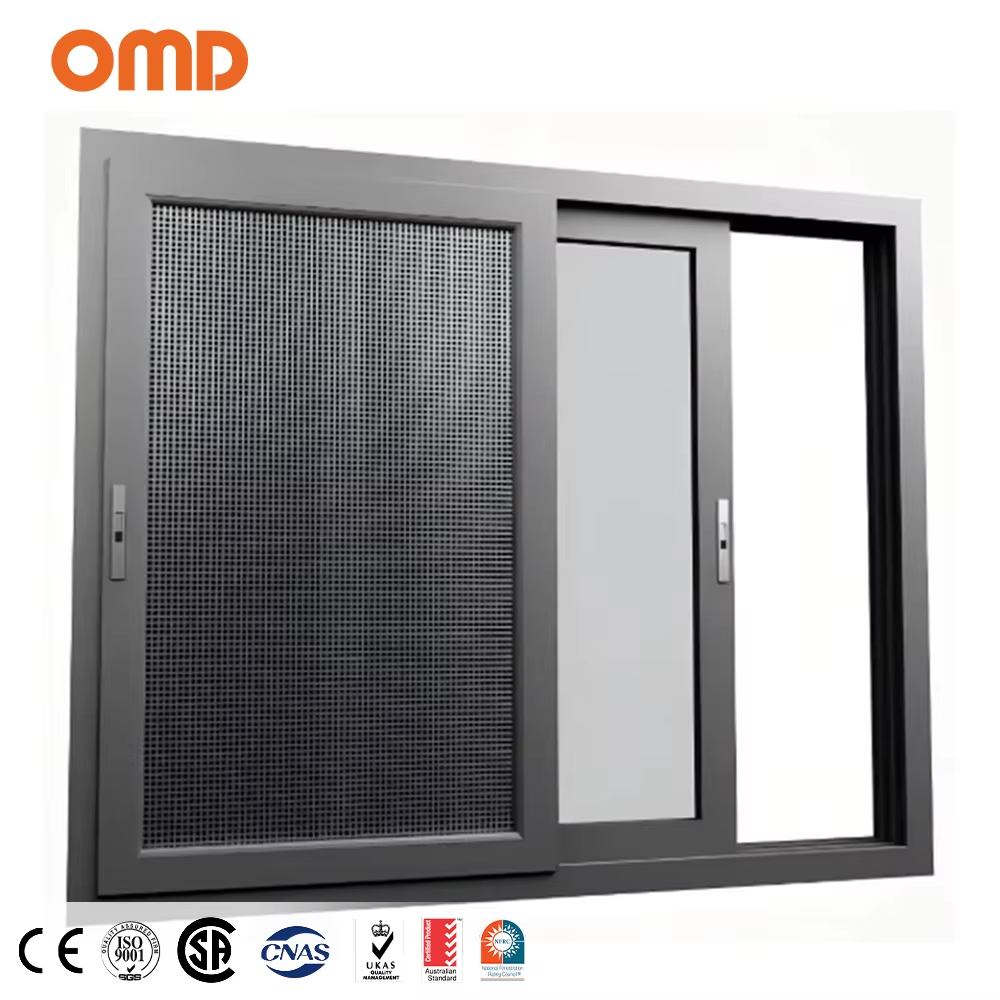
Understanding Aluminum Oxidation and Its Impact on Window Frames
Aluminum windows offer durability, but their frames undergo natural oxidation when exposed to oxygen. This chemical reaction forms a protective oxide layer, which can degrade under harsh conditions, compromising both appearance and structural integrity.
What Causes Oxidation in Aluminum Windows?
Environmental factors accelerate oxidation:
- Coastal salt air introduces chloride ions that penetrate protective coatings
- Industrial pollutants and acid rain weaken the oxide layer
- High humidity creates moisture traps, worsening corrosion (Fam Aluminium 2023) Without proper maintenance, these factors lead to pitting corrosion beneath the surface.
Recognizing Signs of Oxidized Aluminum Frames
Inspect frames seasonally for:
- Dull, matte surfaces replacing metallic sheen
- White powdery residue in corners or joints
- Gray-brown discoloration spreading from edges
Early detection prevents irreversible damage to window tracks and sealing systems.
Why Cleaning Oxidized Aluminum Window Frames Matters
Neglected oxidation reduces lifespan by 30—50% (industry studies 2022) and causes:
- Aesthetic decline: Faded frames diminish curb appeal
- Structural risks: Corrosion weakens load-bearing capacity
- Energy inefficiency: Compromised seals increase heat transfer Regular cleaning preserves aluminum’s corrosion-resistant properties while maintaining thermal performance.
Essential Tools and Best Practices for Cleaning Aluminum Windows
Taking care of aluminum windows starts with getting the right stuff and knowing what works best according to those who make them. Most big name brands point to three basics that really matter. First up are microfiber cloths which leave no streaks behind after cleaning. Then there's pH neutral cleaner that won't eat away at the surface over time. And don't forget soft bristle brushes for sweeping away dirt without leaving scratches. When dealing with tough oxidation spots, mixing some white vinegar with warm water does wonders. The general rule is about one part vinegar to three parts water, though exact measurements aren't always necessary. This approach gets rid of stubborn buildup and happens to be kinder to the environment too.
Recommended Cleaning Supplies for Aluminum Window Maintenance
Steer clear of anything abrasive such as steel wool or those really stiff scrubbing brushes since they tend to leave permanent scratches on aluminum surfaces. Go for non-acid based cleaning products instead and work them in with something soft like foam pads or maybe even regular old cellulose sponges. Some research from Fenomax back in 2023 showed interesting results where microfiber cloths cut down water spots by around two thirds when compared against normal cloth rags. Before going all out with any new cleaner though, it's wise to do a quick spot check first on just a little section of the frame to make sure nothing unexpected happens.
Common Cleaning Mistakes to Avoid with Aluminum Frames
More than 40 percent of homeowners actually end up damaging their windows by accident, often because they're using the wrong methods. High pressure washers can warp those delicate seals, while acidic cleaners like bleach just speed up the rusting process. When it comes to lubricating window tracks and hinges, silicone based products work better than regular petroleum greases. The old oil tends to attract dust and grime over time, making everything stick and eventually break down. According to recent studies, around three out of four early window failures happen when people simply ignore what the manufacturers say about proper chemicals and how often things need cleaning. Most folks don't realize these small details matter so much until there's already damage done.
By adopting these evidence-based strategies, you’ll preserve both aesthetic appeal and structural integrity across decades of service.
Step-by-Step Guide to Cleaning Aluminum Window Frames
Safe and Effective Cleaning Techniques for Aluminum Windows
Start off by getting rid of any loose dirt first. A soft bristle brush works great for this, or even a microfiber cloth if available. Just be careful not to scratch the surface while doing so. Next up, mix some mild detergent into warm water at roughly a quarter cup per gallon ratio. Apply this solution with something gentle like a sponge that won't scratch things up. When dealing with those bumpy aluminum frames though, grab an old toothbrush instead. Those little grooves tend to trap all sorts of nasty stuff over time. Steel wool should definitely stay away from these surfaces as it tends to eat away at whatever protective layer might still exist on them. Same goes for strong cleaning agents too since they'll just speed up how fast rust starts forming down the road.
DIY Cleaning Solutions: Vinegar, Baking Soda, and Lemon Juice
Natural cleaners effectively tackle mild oxidation without damaging finishes:
- White vinegar (1 cup) mixed with water (2 cups) dissolves mineral deposits
- Baking soda paste (3 tbsp soda + 1 tbsp water) removes stubborn stains
- Lemon juice applied directly brightens surfaces through gentle acidic action
Deep Cleaning Methods for Heavily Oxidized Frames
For severe oxidation, combine ¼ cup citric acid with 1 quart of warm water. Apply the solution with a nylon scrub pad, working in circular motions. Rinse thoroughly after 5 minutes to prevent etching. In extreme cases, automotive wax can restore shine to pitted surfaces while adding UV protection.
Proper Rinsing and Drying to Prevent Water Spots and Corrosion
Flush frames with a low-pressure garden hose, tilting windows slightly to drain moisture. Immediately dry with a clean microfiber cloth to prevent water spots and minimize corrosion risk.
Preventing Oxidation and Long-Term Damage in Aluminum Windows
Proper care extends the lifespan of aluminum windows by up to 30% compared to neglected installations (2024 Building Materials Durability Report). Follow these strategies to combat oxidation and environmental wear.
Regular Maintenance Tips to Protect Aluminum Window Frames
- Clean frames bimonthly with pH-neutral soap and soft cloths to remove corrosive pollutants
- Apply non-abrasive protective wax every 6 months to shield against UV rays and salt air
- Inspect weatherstripping quarterly — replace if gaps exceed 1/8" to prevent moisture infiltration
Lubricating Tracks and Hardware for Smooth Operation
Use silicone-based lubricants (not petroleum-based) on rollers and hinges every 4 months:
| Component | Lubrication Frequency | Ideal Product Type |
|---|---|---|
| Sliding Tracks | Quarterly | Dry Teflon Spray |
| Hinges | Biannually | Silicone Grease |
| Lock Mechanisms | Annually | Graphite Powder |
Avoid over-lubrication — excess products attract dust that accelerates oxidation.
Seasonal Care for Optimal Performance of Aluminum Windows
Spring: Check drainage channels for blockages after pollen season Fall: Apply anti-corrosion coating before winter precipitation Monsoon/Coastal Areas: Install sacrificial anode bars to redirect galvanic corrosion (tested effective in 92% of coastal homes, 2023 Metal Protection Study)
A sealed window system maintained through this protocol can maintain <0.05% annual corrosion rates — 16x lower than unmaintained equivalents.
Creating a Sustainable Maintenance Schedule for Aluminum Windows
Monthly and Bi-Annual Maintenance Checklist
A consistent care routine maximizes the lifespan of aluminum windows while minimizing repair costs. Follow this maintenance checklist:
| Frequency | Tasks |
|---|---|
| Monthly | Clean glass and frames with pH-neutral cleaners; inspect for surface scratches or dents |
| Bi-Annual | Lubricate tracks and hinges; test locking mechanisms; clear debris from drainage holes |
This proactive approach prevents oxidation buildup and ensures smooth operation year-round. Focus on high-traffic areas like sliding windows, where grit accumulation accelerates wear.
Annual Inspection and Professional Maintenance Tasks
While DIY care addresses routine needs, annual inspections by certified technicians identify hidden risks like seal degradation or thermal break issues. Professionals use infrared cameras to detect moisture intrusion and verify frame alignment. For optimal performance, schedule:
- Frame coating reapplications every 5—8 years
- Hardware replacements for stiff handles or corroded rollers
- Structural assessments after extreme weather events
Combining consistent homeowner care with expert evaluations creates a maintenance cycle that preserves both aesthetics and functionality in aluminum window systems.
FAQ
What is Aluminum Oxidation?
Aluminum oxidation is a chemical reaction where aluminum reacts with oxygen to form a protective oxide layer. This occurs naturally over time but can further degrade under harsh environmental conditions.
How Can I Prevent Oxidation on Aluminum Windows?
Preventing oxidation involves regular cleaning using pH-neutral soaps, applying a protective wax, and maintaining weatherstripping and window seals to reduce moisture infiltration.
What Are the Signs of Aluminum Oxidation?
Signs include dull, matte surfaces replacing the metallic sheen, white powdery residue on corners or joints, and gray-brown discoloration spreading from window edges.
What Cleaning Products Should I Avoid?
Avoid using abrasive materials like steel wool, stiff brushes, acidic cleaners like bleach, and petroleum-based lubricants that can harm aluminum frames.
Table of Contents
- Understanding Aluminum Oxidation and Its Impact on Window Frames
- Essential Tools and Best Practices for Cleaning Aluminum Windows
- Step-by-Step Guide to Cleaning Aluminum Window Frames
- Preventing Oxidation and Long-Term Damage in Aluminum Windows
- Creating a Sustainable Maintenance Schedule for Aluminum Windows
- FAQ