
 EN
EN
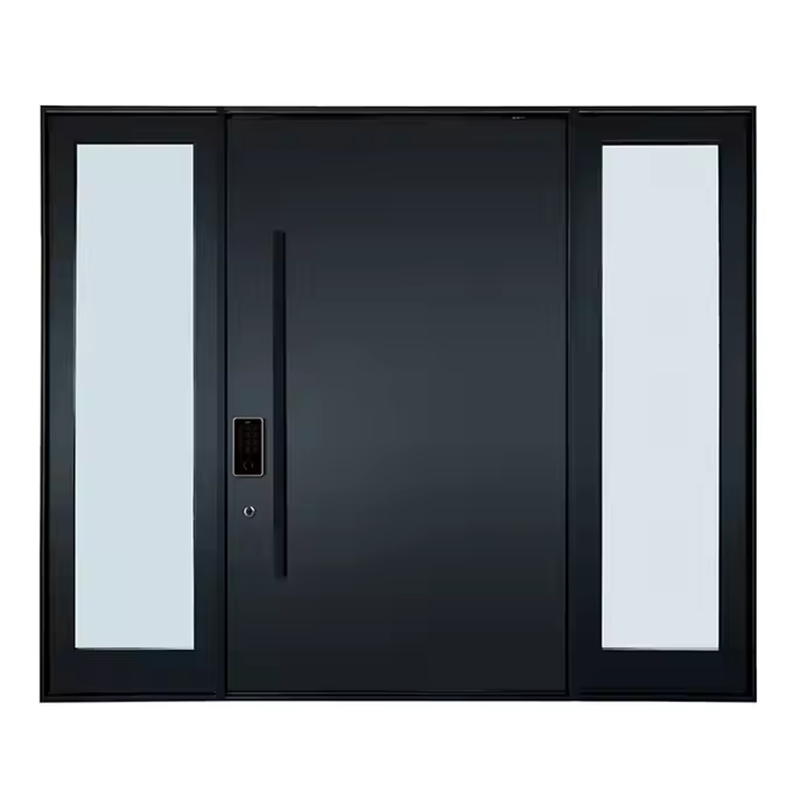
The Importance of Pivot Door Lubrication in Reducing Friction
Lubrication is essential for minimizing metal-on-metal contact in pivot door systems, where friction can accelerate wear by up to 40% (Window & Door Industry Alliance). Proper lubrication ensures smooth rotation at pivot hinges while reducing strain on mounting brackets and structural components.
Choosing the Right Lubricant for Pivot Doors
For pivot door mechanisms, silicone based lubes tend to be the way to go because they resist water and don't leave behind that greasy mess. When dealing with lock cylinders or those hidden pivot points, dry graphite is usually the better choice. It keeps dust from accumulating in ways that oil based products just can't handle. And speaking of oils, folks often reach for WD40 type sprays but these really aren't suitable for long term protection. The stuff washes away too fast and leaves metal components vulnerable to wear and tear over time.
Step-by-Step Guide to Lubricating Pivot Door Mechanisms
- Clean pivot hinges and bearings with a dry brush
- Apply lubricant sparingly to hinge pins and contact surfaces
- Cycle the door 8-10 times to distribute lubricant evenly
- Wipe away excess product to prevent debris attraction
Over-lubrication creates sticky residue that traps grit—the leading cause of premature pivot system failure in residential installations.
Avoiding Common Lubrication Mistakes That Damage Pivot Systems
| Error | Consequence | Prevention |
|---|---|---|
| Using all-purpose oils | Attracts dirt, increases wear | Use silicone or graphite only |
| Annual "set it & forget it" approach | Lubricant degrades before next cycle | Lubricate every 6 months |
| Ignoring climate factors | Cold-weather stiffening, summer evaporation | Choose temperature-specific formulas |
How Proper Lubrication Reduces Noise and Improves Operation
A Northwestern University materials science study (2023) found properly lubricated pivot systems operate at 62% lower decibel levels than dry counterparts. This quieter performance results from reduced energy transfer within the pivot assembly, which also decreases hinge wear by 27% over five years.
Inspecting and Maintaining Pivot Hinges and Hardware
Cleaning pivot hinges and contact points to prevent buildup
Regular cleaning prevents dirt accumulation responsible for 43% of premature wear in rotating systems. Use a microfiber cloth with a pH-neutral cleaner to remove debris quarterly. Avoid abrasive tools—steel wool increases corrosion risk by 60%, according to architectural hardware studies.
Checking for loose screws and hardware stability
Monthly inspections should verify torque specifications using a calibrated screwdriver. Loose components account for 38% of alignment issues in commercial installations. Focus on:
- Hinge plate fasteners
- Floor-mounted pivot bases
- Handle mounting screws
Re-tighten following manufacturer-recommended patterns to avoid uneven stress distribution.
Preventing wear and tear through regular hardware maintenance
For regular maintenance, most residential pivot doors need attention every six months while those in high traffic areas should be checked every three months. When it comes to lubrication, go with dry silicone spray rather than oil products which tend to gather dust over time and create more problems than they solve. Getting professional service done between 18 to 24 months apart helps catch those hard to see issues in the pivot bearings before they become major problems. Studies indicate that following this schedule can actually double or even triple the life of door hardware depending on how much use it gets day to day.
Protecting Pivot Doors from Environmental Damage
Repainting and Refinishing to Shield Against Weather and UV Exposure
Exterior pivot doors require periodic recoating to resist sun exposure and moisture. A two-part epoxy primer followed by a UV-resistant polyurethane topcoat forms a durable protective barrier. In high-humidity climates, powder-coated finishes offer 38% better adhesion than standard paints (2023 Surface Protection Report), though recoating should follow manufacturer guidelines.
Re-Sealing Frequency Based on Climate and Environmental Conditions
For homes with pivot doors along the coast, replacing weatherstripping becomes necessary roughly every 18 to 24 months because of all that salt air eating away at materials. This stands in stark contrast to drier inland locations where similar replacements might last anywhere from 3 to 5 years before needing attention again. When it comes time for maintenance work, homeowners should opt for marine grade silicone sealant around those glass panels and threshold areas, making sure there are no visible cracks or openings during each seasonal checkup. Interestingly enough, thermal imaging studies show something quite telling about cold climates too many folks don't realize nearly 72 percent of warmth escaping from houses in snowy regions actually slips out through poorly sealed door frames and edges.
Routine Cleaning to Prevent Dirt, Moisture, and Grime Accumulation
| Cleaning Task | Frequency | Recommended Solution |
|---|---|---|
| Glass panels | Weekly | Vinegar-water mix (1:3 ratio) |
| Metal tracks | Monthly | Nylon brush + isopropyl alcohol |
| Thresholds | Quarterly | Pressure wash (max 1,200 PSI) |
Biannual deep cleaning with pH-neutral detergents prevents oxidation in steel components. Remove acidic contaminants like bird droppings immediately—they accelerate corrosion fourfold compared to rainwater alone.
Recognizing and Addressing Early Signs of Wear and Misalignment
Early detection of pivot door issues reduces repair costs by 50-70% compared to deferred maintenance, according to facilities management studies. Regular inspections help homeowners and building managers resolve minor problems before they escalate.
Identifying Common Signs of Pivot Hinge Misalignment
Watch for these indicators during monthly checks:
- Uneven door gaps (wider at top or bottom)
- Sticking points during operation
- Visible wear patterns on hinges or floor tracks
- Grinding noises when opening or closing
Even a 1/8" misalignment can increase wear by 40% on track rollers and bearing plates.
Addressing Minor Issues Like Sticking, Cracks, or Loose Handles Promptly
Use this corrective action hierarchy:
| Priority | Issue | Immediate Action |
|---|---|---|
| 1 | Loose screws | Tighten with torque wrench (8-10 Nm) |
| 2 | Dry hinges | Apply silicone-based lubricant |
| 3 | Surface cracks | Sand and seal with epoxy filler |
Commercial teams report resolving 83% of pivot door complaints through these basic interventions (2023 property management data).
Case Study: Preventing System Failure Through Early Intervention
A mixed-use development avoided $15k in replacement costs by responding to early warnings:
- Week 1: Detected 1/4" vertical door drift
- Week 2: Adjusted counterbalance weights
- Week 4: Replaced worn pivot bearings
- Week 6: Verified alignment
Post-intervention tracking showed 30% smoother operation and eliminated bearing heat buildup (measured via infrared thermometer). This proactive strategy extended the door’s service life by 3-5 years beyond typical urban averages.
Creating a Sustainable Maintenance Schedule for Long-Term Durability
Recommended maintenance intervals for residential and commercial pivot doors
Residential pivot doors typically need lubrication and hinge inspections every 6-12 months, while commercial installations may require quarterly checks. A 2023 door hardware study found that usage-based scheduling reduces repair costs by 30-45%. Examples include:
- Exterior doors in coastal climates: Inspect seals and finishes every 6 months
- Interior commercial pivot doors: Lubricate hinges and test alignment every 3 months
When to schedule professional inspections and servicing
Annual professional assessments are vital for detecting hidden wear such as hinge bushing degradation or frame warping. Schedule inspections:
- After extreme weather events (heavy storms, temperature swings exceeding 30°F)
- When minor operational delays appear (1-2 seconds in closing time)
- Before warranty expiration to document system condition
Balancing preventive care with over-maintenance risks
Excessive lubrication or unnecessary adjustments can accelerate wear. Over-lubricated pivot bearings attract 40% more dust particles, per industrial maintenance data. Focus on:
- Using manufacturer-approved cleaning and preservation products
- Tracking performance metrics like opening force and closure speed
- Implementing condition-based monitoring rather than rigid schedules
A three-year case study of museum pivot doors demonstrated that optimized maintenance extended hardware lifespan by 27% while cutting annual maintenance hours by 15%.
FAQ Section
What type of lubricant is best for pivot doors?
Silicone-based lubricants are preferred for pivot door mechanisms due to their water resistance and non-greasy residue. For lock cylinders and hidden pivot points, dry graphite is recommended.
How often should pivot doors be lubricated?
Pivot doors should be lubricated every six months to ensure optimal performance and to prevent wear.
What are common signs of pivot hinge misalignment?
Common signs include uneven door gaps, sticking points during operation, visible wear patterns on hinges, and grinding noises when opening or closing.
Table of Contents
- The Importance of Pivot Door Lubrication in Reducing Friction
- Choosing the Right Lubricant for Pivot Doors
- Step-by-Step Guide to Lubricating Pivot Door Mechanisms
- Avoiding Common Lubrication Mistakes That Damage Pivot Systems
- How Proper Lubrication Reduces Noise and Improves Operation
- Inspecting and Maintaining Pivot Hinges and Hardware
- Protecting Pivot Doors from Environmental Damage
- Recognizing and Addressing Early Signs of Wear and Misalignment
- Creating a Sustainable Maintenance Schedule for Long-Term Durability
- FAQ Section