
 EN
EN
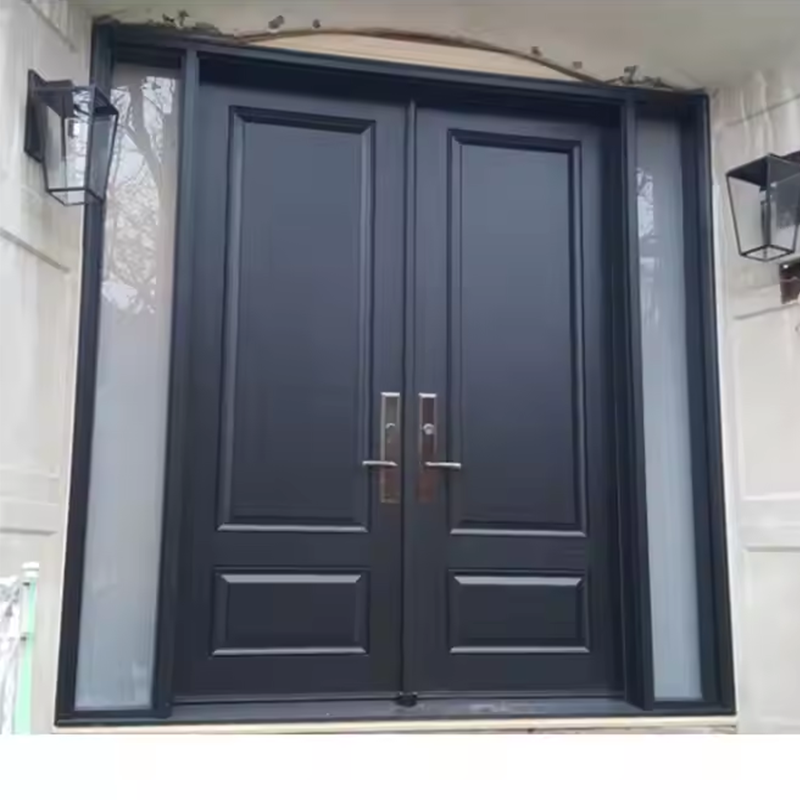
Swing Doors as Architectural Anchors: Harmonizing Heritage and Modernity
Historical Elegance: Classic Proportions and Detailing in Traditional Swing Doors
Swing doors from old times show off real craftsmanship with their balanced look and fancy details that mark different building styles. Think about those symmetrical panels, the raised edges, and all sorts of hand-carved stuff we see on doors. Victorians loved oak doors with colored glass bits stuck in them, while colonials went for those classic six-panel setups. These design choices tell us where something came from and how long it's been around. The thicker parts of the door frame give it strength and help it stand out against the wall. Back in the day, craftsmen used this special joining method called mortise-and-tenon so everything fit together just right with the surrounding moldings. They treated each door almost like a piece of art that people actually use every day. Even the hardware matters a lot too. Cast iron hinges and those metal plate knobs weren't just decorative extras; they made the whole thing feel authentic. Nowadays, when restoring old buildings, preservation rules usually say to keep these original features intact. Not just because they're part of history, but also because modern building codes now require certain performance standards while still letting buildings maintain their unique character.
Contemporary Refinement: Slim-Framed, Frameless, and Pivot-Style Swing Doors in Modern Architecture
Swing doors have become a staple in modern architecture, serving as simple yet effective tools for creating clear spaces filled with natural light. Aluminum and steel frames are getting slimmer all the time, some as thin as 35mm, which makes entryways feel almost invisible. The really cool thing about frameless glass options is how they blur the line between inside and outside spaces completely. Pivot doors work differently too, spinning around hidden vertical supports that can handle massive panels reaching heights of four meters straight up. This turns ordinary entrance points into moving parts of the building itself. Most architects love combining tough tempered glass with those brushed metal surfaces because it looks so clean and honest. They're commonly specified for upscale homes and fancy office lobbies where the goal is to make the door disappear visually, allowing the surrounding space and available light to dominate instead. A recent industry report from last year showed something interesting: nearly 8 out of 10 high-end design projects now incorporate either pivot or frameless swing doors primarily to enhance how different areas connect within a space.
Material, Finish, and Customization: Elevating Aesthetic Expression with Swing Doors
Visual Impact of Wood, Steel, Glass, and Composite Swing Door Materials
The materials used for swing doors really set the architectural tone from the ground up. Wood brings a warm, rich feel that works great in places where history matters, like old buildings needing renovation. Steel is all about clean lines and solid construction, which makes sense for modern offices or converted industrial spaces. Glass doors create something special though they turn ordinary entry points into bright, open features that let natural light flood in while still keeping things secure and energy efficient. Composite materials are becoming increasingly popular because they stand up well to weather but can mimic wood grains or metal looks too. These work particularly well on busy front entrances exposed to harsh weather conditions. What's interesting is how these choices affect what people think about a building's worth. According to Architectural Digest last year, properties with upscale door finishes tend to sell for around 3 to 7 percent more in areas where good design counts for something.
| Material | Aesthetic Vibe | Best Applications | Light Impact |
|---|---|---|---|
| Wood | Warm, traditional | Heritage buildings | Low diffusion |
| Steel | Industrial, minimalist | Offices, lofts | Opaque |
| Glass | Airy, contemporary | Retail, lobbies | High transmission |
| Composite | Versatile, modern | High-traffic entrances | Variable |
Tailoring Aesthetics: Hardware, Glazing, Color, and Profile Options for Swing Doors
When it comes to swing doors, customization turns ordinary parts into standout design features that really grab attention. Matte black finishes or those brushed brass bits create nice contrast against walls, and hidden pivot hinges let doors look completely frameless when installed properly. The glass choices aren't just about being see-through anymore either. Low E glass actually helps buildings save energy costs, while patterned glass options like fritted or laminated varieties offer privacy plus some interesting textures that can match company branding. Architects love bold colors too. Emerald green, rich terracotta tones, and deep indigos have become popular lately for creating strong visual identities. According to recent data from AIA's 2023 report, around two thirds of architects now go for custom colors specifically to keep brand consistency throughout their projects. And don't forget about slim profile frames which allow bigger windows without compromising strength. These thinner frames maintain that clean, modern look across building exteriors while still holding up well over time.
Swing Doors as Strategic Brand and Value Drivers: First Impressions and Market Perception
Curb Appeal and Identity: How Entrance Swing Doors Shape Brand Narrative and User Experience
The front door of a building speaks volumes even before anyone says hello. Studies in architectural psychology tell us materials, proportions, and how doors move all create instant subconscious reactions. A door that swings smoothly suggests modern thinking and self-assurance. Something made from solid walnut frames feels dependable and traditional at the same time. Looking at real estate numbers, buildings with well-designed entries tend to rent out about 11 percent quicker in busy city areas. People just seem to trust them more, seeing better quality and professional management. The physical experience matters too. Doors that open quietly and sit perfectly aligned give off a sense of reliability. What could be a mundane daily task becomes something worth remembering when done right.
Quantified Aesthetic ROI: Premium Swing Doors and Property Value Uplift in High-Design Markets
Swing doors that blend into architecture actually pay off financially, not just look good. According to commercial appraisers, properties in luxury retail and hospitality sectors with custom made swing door systems tend to fetch around 7 to 9 percent higher valuations. The effect is most noticeable in areas known for their design focus such as Soho, the Design District in Miami, and Berlin's Mitte neighborhood. Why does this happen? There are basically three reasons working together to create this value boost:
- Market differentiation in dense, visually saturated environments
- Perceived durability, reducing tenant improvement allowances and turnover costs
- Photogenic appeal, amplifying digital marketing reach and engagement Frameless glass variants show especially strong ROI in creative-sector developments, where expectations for seamless, experiential transitions align directly with user behavior and brand positioning.
FAQs about Swing Doors in Architecture
What are the key historical features of traditional swing doors?
Traditional swing doors are known for their symmetrical panels, raised edges, and hand-carved details which reflect various architectural styles. They often include original hardware like cast iron hinges and metal plate knobs.
Why are modern architects opting for frameless and pivot-style swing doors?
Frameless and pivot-style swing doors are popular in modern architecture because they create open, airy spaces with seamless transition between indoors and outdoors. They are also aesthetically pleasing and enhance natural light in a space.
How do swing door materials affect a building’s value?
The choice of materials like wood, steel, glass, and composites impacts the architectural tone and perceived value of a building. Upscale finishes and materials can increase property value by enhancing aesthetic appeal and market perception.
What role do swing doors play in brand identity and user experience?
Swing doors help create a strong first impression and influence the brand narrative through their design and functionality. Well-designed entrances can also enhance user experience by conveying reliability and quality.