
 EN
EN
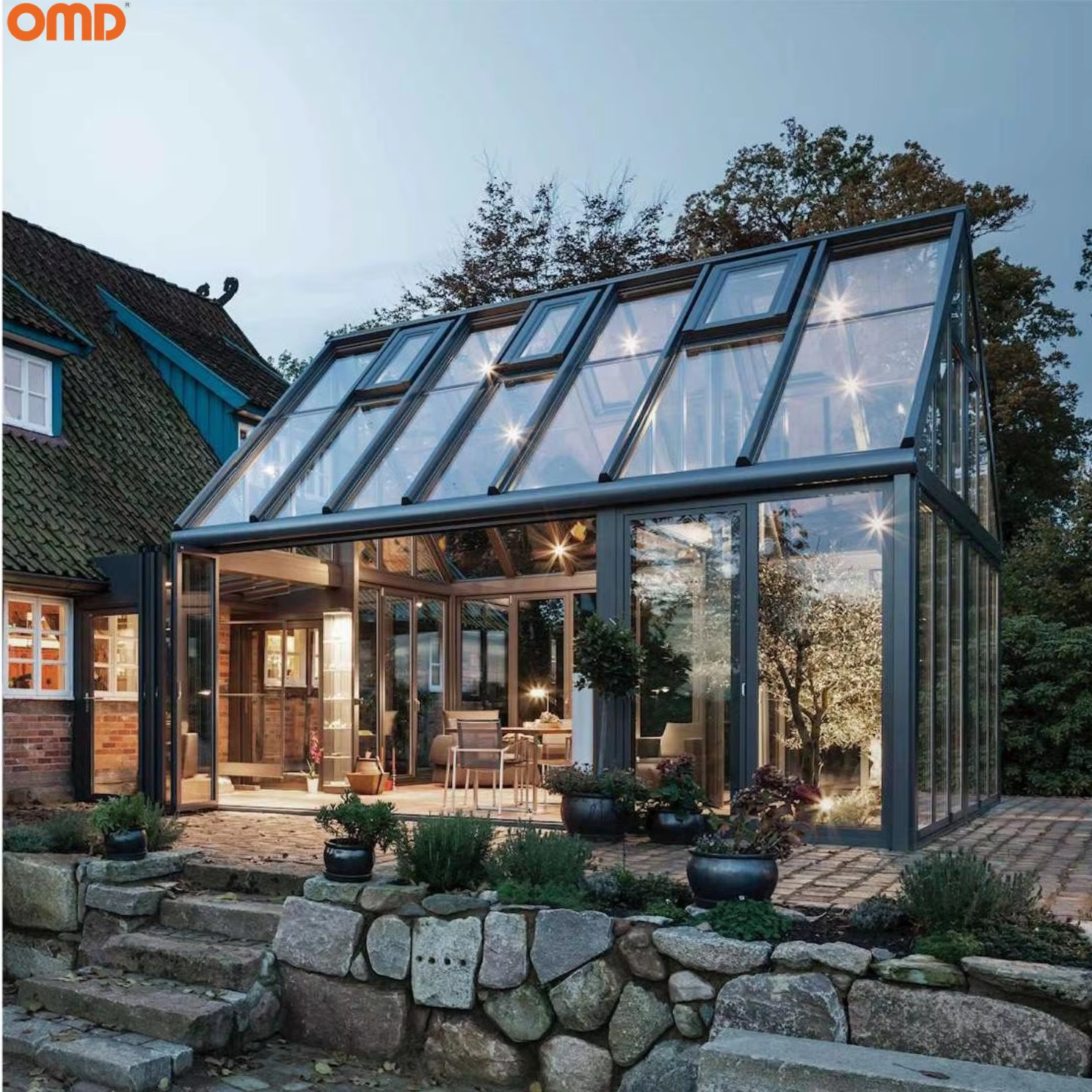
Sunroom Design Principles: Purpose, Structure, and Aesthetic Integration
Aligning Sunroom Function with Lifestyle Needs
Designing a sunroom starts with figuring out what it's going to be used for. Some people want a peaceful spot to read, others might turn it into a lively place for entertaining guests, while many find it works great as a home office when working remotely. Think about daily usage patterns too. Does the room need to accommodate group activities or provide a quiet retreat? For families, comfortable seating options and built-in planter boxes often matter most. Those who work from home will probably focus on getting good quality desks, chairs that support posture, and plenty of electrical outlets in convenient locations. Understanding these practical needs influences everything from choosing materials to deciding on window placement and heating/cooling solutions. Ultimately, this approach makes sure the finished space fits naturally into existing lifestyle patterns instead of creating new obstacles every day.
Architectural Consistency: Materials, Rooflines, and Proportions
Getting visual harmony right means paying attention to what already exists in the home's architecture. When it comes to outside materials, brick houses generally look best with brick accents, while homes with wood siding tend to work well with matching wood cladding. Rooflines should follow the same slope patterns as the original building instead of sticking out at odd angles, which helps maintain that cohesive look. Size matters too. Putting a big sunroom on a small cottage just feels off balance, but something proportionate can really boost curb appeal. Don't forget those little touches either. Copying elements like moldings, columns, and beam shapes makes everything feel connected. The goal is to create something that looks like it belongs there naturally, not just tacked on afterwards.
Year-Round Sunroom Comfort: Climate Control and Energy Efficiency
High-Performance Glazing and Insulated Framing Systems
Getting consistent comfort at home isn't really about having lots of glass windows. What matters most is how well those windows manage heat. Low emissivity glass, often called low-E, can cut down on winter heat losses by around 30% when compared to regular glass. And don't forget about double pane windows filled with argon gas inside them. These actually boost insulation quite a bit. For best results, combine all that with frames made from thermally broken aluminum or good quality vinyl. This helps stop what's known as thermal bridging where heat just moves right through the structure without control. When everything gets put together correctly, the whole system balances out indoor temperatures so there are no more chilly spots during winter months and less heat coming in during summer days. Make sure whoever does the installation knows exactly which efficient parts to specify and install properly because if they skip steps or do things wrong, all those efficiency gains disappear fast.
Smart Solar Management: Orientation, Shading, and Thermal Mass
Managing sunlight is something that needs careful thought rather than just letting it come in through windows. North facing walls bring in steady daylight throughout the year without causing glare problems. South facing areas can actually help warm buildings during winter months if we get the right kind of glass installed. For summer days when the sun gets too intense, there are several options available outside like retractable awnings, those slatted pergola structures, or even automated window coverings that stop around 70 to maybe 90 percent of hot sunlight from getting inside. Inside spaces, materials matter a lot too. Floors made from tiles, stones, or concrete soak up heat during the day then give it back slowly at night time. Adding ceiling fans helps move air around better, which means less reliance on expensive heating and cooling systems. Putting all these elements together creates a balanced environment where natural light works with temperature control and air movement to save money on electricity bills by roughly 20 or 25 percent while keeping everyone comfortable no matter what season it is.
Health and Well-Being Benefits of a Sunroom
Sunrooms do so much more than look nice—they actually help improve our overall well-being according to what we know about how environments affect us. Getting regular sunlight exposure really matters because it keeps our body clocks running smoothly, which means better sleep when we need it most since our bodies produce melatonin at just the right times. Plus, sitting in natural light lets our skin make vitamin D safely throughout the day, something that supports strong bones and boosts immunity against common illnesses. When it comes to mental health, studies have found that people spend time in bright rooms with lots of daylight report feeling much better during winter months, cutting down on those sad feelings by almost half compared to darker spaces. And interestingly enough, brain scans show folks tend to concentrate better and come up with creative ideas faster in these naturally lit areas, making them great spots for working on projects or studying. Oh, and don't forget about all the plants! Indoor gardens not only look great but they clean the air too, turning sunrooms into real-life havens where both body and mind can thrive together.
Enhancing Property Value with a Thoughtfully Designed Sunroom
Appraisal Impact and Buyer Appeal in Competitive Markets
Sunrooms that are done right actually pay off financially, not just enhance lifestyle. Most appraisers count them as real living space these days, so homeowners typically get back around 70 to 80 percent of what they spent when selling. What makes sunrooms special is how flexible they are. Some folks turn theirs into home offices, others make them lounges or even grow plants in greenhouses. There's also growing demand for spaces that can accommodate multiple generations living together. The key thing about getting good value from a sunroom though? How well it blends with the rest of the house matters a lot. Matching the roofline, using similar materials throughout, and building something that stands up to weather changes all show quality workmanship. Houses with well integrated sunrooms tend to sell quicker, attract better offers, and ultimately fetch higher prices at closing.
FAQs About Sunrooms
What is a sunroom used for?
A sunroom can serve various purposes depending on personal preferences. Common uses include relaxing spaces for reading, entertaining guests, home offices, or family gathering spots.
How can a sunroom improve a home's value?
A thoughtfully designed sunroom adds to a home's living space, enhances lifestyle flexibility, and improves buyer appeal, resulting in a significant return on investment when selling.
What materials are best for sunroom construction?
Materials should match the existing home's architecture. Brick houses may use brick accents, while homes with wood siding benefit from matching wood cladding for visual consistency.