
 EN
EN
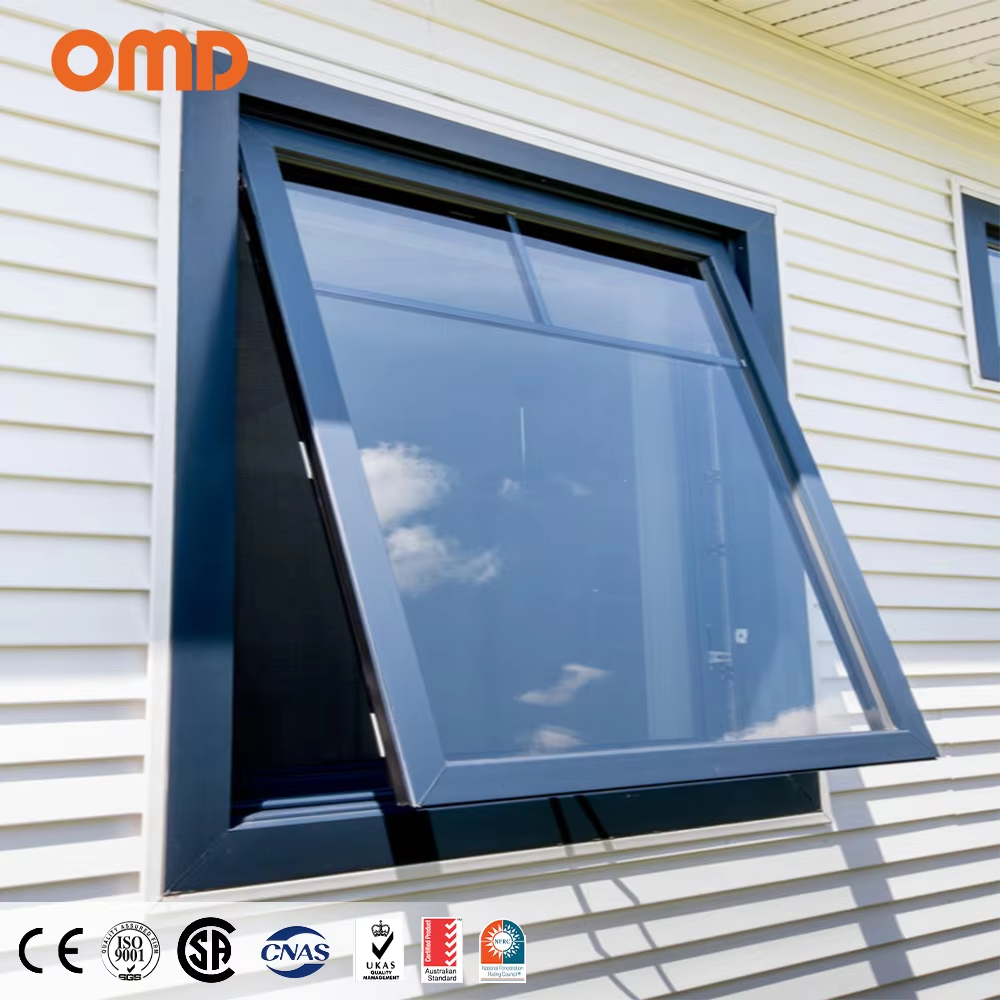
How Awning Windows Deliver All-Weather Ventilation and Natural Light
Hinged-Top Design: Uninterrupted Airflow Even During Rain or High Winds
Awning windows have this neat hinge system at the top that lets them open outwards from the bottom part. When they're open, they form kind of a shield over the window area. What makes them so great is how they keep rainwater away but still let fresh air come in from underneath. This means people can get good ventilation even when it's stormy outside. These windows really shine in places where dampness tends to build up, such as bathrooms or basement spaces where controlling humidity levels matters a lot for comfort and preventing mold growth. According to tests done by the National Fenestration Rating Council, houses equipped with awning windows actually cut down on HVAC usage somewhere between 15% to 20% during those sticky summer months. The reason? Simple airflow naturally pushes out the old, wet air without needing any fans or machines running constantly. Plus, turning the crank handle feels smooth and gives just right amount of control, even when winds are blowing hard against them. And don't worry about security either since most models come with multiple lock points that make breaking in much harder without making things complicated for daily use.
Strategic Light Control: Upward-Angled Sash Diffuses Glare While Enhancing Daylight Penetration
Awnings that open upwards really boost how much natural light gets inside buildings. Instead of letting in that harsh overhead sunlight straight on, these windows angle outward so they bounce those strong rays away from the outside glass. What happens is pretty cool actually - the light becomes softer and spreads further into rooms without causing annoying glare. Studies show that compared to regular sliding windows, this setup can bring about 30 percent more useful daylight into spaces throughout the day. This helps people's body clocks stay in sync naturally and cuts down on needing extra lights when there's already plenty of daylight available. And if homeowners add those special low-e coatings to their glass, they get another bonus too. The coatings block most of the harmful UV rays which means furniture and walls won't fade or deteriorate as quickly over time.
Awning Windows for Privacy, Security, and Indoor Air Quality
Passive Ventilation Without Compromise: Meeting ASHRAE 62.2–2022 Standards in Urban Homes
Awning windows offer dependable passive ventilation that stands up to bad weather, something really important for city dwellers since standard mechanical systems often can't handle getting rid of pollutants properly. The way these windows swing upwards lets fresh air circulate all day long even when it's raining outside, so people inside get better air quality without having to worry about break-ins or discomfort from drafts. This kind of natural airflow actually helps meet those ASHRAE guidelines for good indoor air in homes, especially good at cutting down on stuff like VOCs, CO2 levels going through the roof, and too much moisture hanging around. To make them work best in crowded cities, homeowners should position them strategically where they catch prevailing winds and install screens that keep pests out while still letting air flow freely.
- Pair with energy recovery ventilators (ERVs) to balance fresh-air intake with filtered, temperature-stabilized exhaust
- Install in moisture-prone zones (bathrooms, kitchens, basements) to achieve the 4–6 air changes per hour (ACH) recommended for mold prevention
- Specify low-e glazing to mitigate urban noise pollution while preserving airflow efficiency
Eye-Level Privacy + Unobstructed Airflow: Integrating Awning Windows with Smart Shading Systems
By mounting awning windows above eye level—typically alongside transoms or clerestories—they deliver discreet outdoor views while preventing direct line-of-sight into living spaces. This placement resolves the classic trade-off between ventilation and privacy. Modern integrations with smart shading systems further enhance functionality:
| Feature | Privacy Benefit | Ventilation Impact |
|---|---|---|
| Motorized translucent blinds | Obscures room details without blocking view | Maintains 80%+ airflow when angled |
| Top-down fabrics | Shields lower window sections | Leaves upper sash fully operational |
| Electrochromic glass | Instant opacity toggle via app or sensor | Zero physical obstruction when clear |
Multi-point locking mechanisms reinforce security, while the inward-sloping sash inherently resists forced entry—making these windows ideal for zero-lot-line and ground-floor urban dwellings. Daylighting studies confirm such configurations reduce artificial lighting use by up to 47%, reinforcing both energy and wellness benefits.
Optimal Placement and Installation Guidelines for Awning Windows
High-Wall, Basement, and Bathroom Applications: Where Awning Windows Solve Unique Functional Challenges
Awning windows really shine in places where regular windows just don't work well, especially when there's limited space or moisture issues. When installed on high walls like those above countertops, cabinets, or built-ins, these windows open outward without taking up valuable floor or counter area. They still let fresh air in even during bad weather though. For basements, ceiling mounted awning windows are a game changer. They suck out that damp, stuffy air which helps lower humidity levels and cuts down mold growth by around 34% according to some studies on indoor air quality. Bathrooms get another boost from these windows too. The angled sash design creates quiet ventilation without drafts, meeting those ASHRAE standards for controlling bathroom humidity while keeping things private. Getting them installed right matters a lot. The frames need to be level so water doesn't pool anywhere. Hinges have to be strong enough to handle winds over 50 mph sometimes. And those weather tight seals? Well, they really need a pro to fit them properly if we want these windows lasting years and performing as intended.
Energy Efficiency and Weather Resistance: Verified Performance Benefits of Awning Windows
Awning windows can actually cut down on energy costs thanks to some smart engineering tricks. They have those multi-point compression seals that stop air from leaking in, cutting infiltration rates by around 70% when compared to regular single hung windows. The way they swing upwards creates a natural shield against bad weather too. Rain just slides off them and they still let fresh air circulate properly. Real world testing shows buildings with these windows run their heating and cooling systems about 25% less during average weather conditions. That means smaller electric bills and people inside stay more comfortable throughout the seasons. When paired with frames that break thermal transfer and glass coatings that block excess heat, awning windows qualify for ENERGY STAR ratings. Plus they help buildings stand up better to whatever extreme weather comes our way as climate patterns continue changing.
FAQ
What are awning windows?
Awning windows are a type of window that hinges at the top and opens outward from the bottom, creating a protective cover that allows for ventilation while keeping rain out.
How do awning windows improve indoor air quality?
Awning windows help improve indoor air quality by facilitating natural ventilation, which reduces pollutants and moisture indoors.
Can awning windows improve energy efficiency?
Yes, awning windows help reduce energy costs by minimizing air leakage and enabling efficient natural ventilation, which can decrease HVAC use.
Where should awning windows be installed?
Awning windows are best installed in high-wall areas, basements, and bathrooms where they can handle moisture challenges and optimize space usage.