
 EN
EN
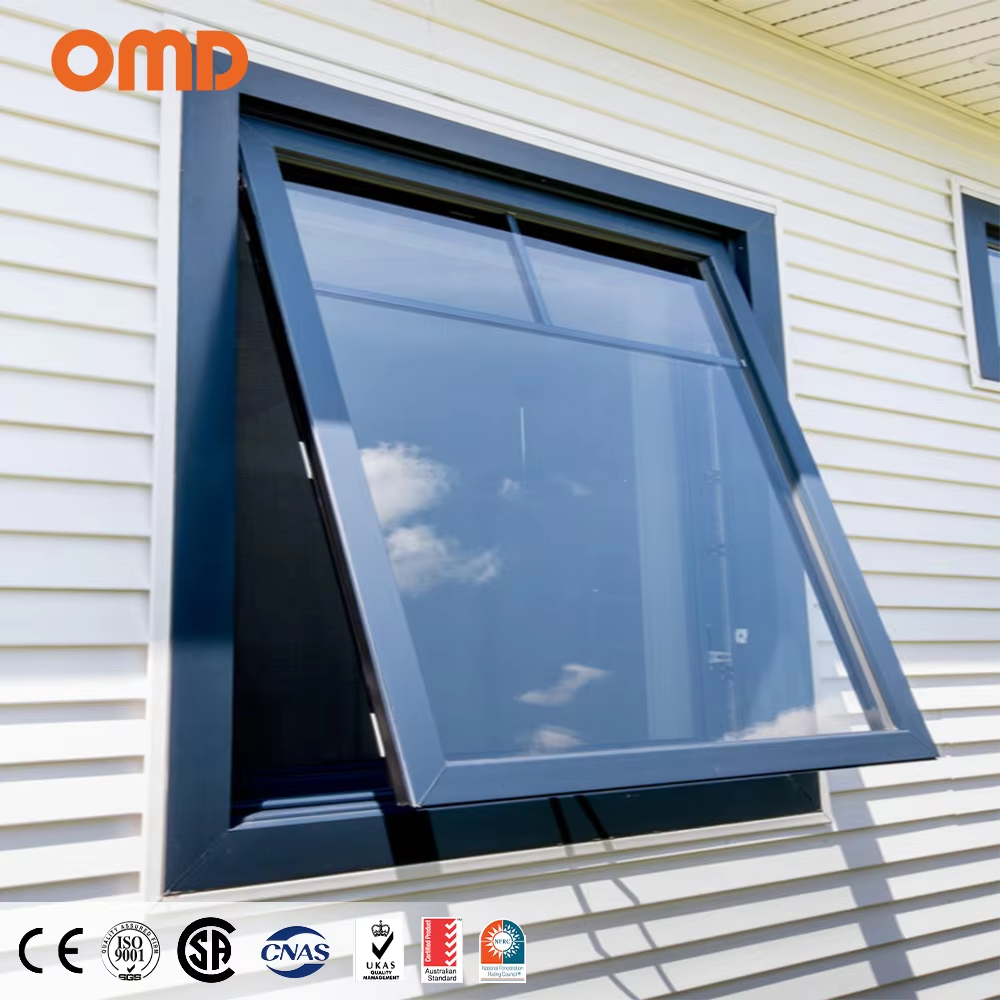
Why Awning Windows Deliver Unique Ventilation and Weather Performance
Core Design: Hinged at the Top for Outward, Rain-Resistant Opening
Awning windows open outwards from the top hinge, forming a kind of awning that keeps rain away while still letting fresh air in. The way they're designed means good airflow continues even when there's some drizzle or light rain falling outside, which makes them really useful in places where humidity is high or it rains often. Most models come with a smooth crank handle that makes opening and closing easy, plus creates a solid seal against the weather when shut properly. Tests have shown these windows can stop around 90% more water getting through than regular vertical ones, so people inside stay comfortable without worrying about dampness issues creeping in.
Ventilation Efficiency, All-Weather Usability, and Passive Cooling Benefits
The angled sash captures prevailing breezes and directs fresh air upward into living spaces—enhancing air exchange without drafts. Key functional advantages include:
- Rain-safe ventilation, thanks to the self-shedding sash angle
- Strong cross-ventilation potential when coordinated with operable lower windows
-
Measurable passive cooling effect, reducing mechanical cooling demand by 15–25% in moderate climates (U.S. Department of Energy, Residential Energy Efficiency Guide)
Their compact vertical footprint and outward swing make them ideal for tight or elevated placements—above countertops, in clerestories, or over sinks—without sacrificing light, privacy, or emergency egress compliance. Unlike sliding or casement units, awnings introduce no interior obstructions, preserving unimpeded sightlines and floor space.
Energy Efficiency Essentials for Premium Awning Windows
Glazing Systems: Low-E Coatings, Argon Fill, and Double- or Triple-Pane Options
How well a building retains or loses heat really depends on how advanced the window glazing is. Low E coatings work by bouncing back infrared heat but still letting in visible light through the glass. This actually cuts down on radiant heat transfer by about half compared to regular clear glass. Things get even better when these coatings are combined with argon gas between panes since argon doesn't let heat pass through so easily. And if we go for double or triple pane windows instead of single ones, manufacturers can achieve U factors as low as 0.20. These numbers matter because different climates require different levels of thermal protection for buildings to perform optimally throughout the year.
- Choose ENERGY STAR® Northern Zone—certified models (U-factor ≤ 0.30) for cold regions
- Select double-pane Low-E units for temperate zones
- Specify triple-pane with argon/krypton blends for extreme heat or cold
Air Sealing & Structural Integrity: Compression Seals, Multi-Point Locks, and Fusion-Welded Frames
When it comes to insulation performance, air leaks are a real problem for any window system. That's why top quality awning windows come with several different sealing methods built right in. The frames are fusion welded together which stops those annoying heat bridges and drafts from sneaking through weak spots. When closed, compression gaskets press firmly against the entire sash edge creating a tight seal. And don't forget about the multi point locking system either these typically have between three and five contact points that distribute pressure evenly across the whole window frame to keep everything sealed properly. All these combined technologies make a huge difference cutting down on air infiltration by around 75% compared to cheaper models with just one latch mechanism. Even when winds hit speeds of 50 miles per hour straight on, rooms stay at consistent temperatures according to industry standard tests set forth by organizations like AAMA and CSA.
Frame Material Showdown: Vinyl, Fiberglass, and Thermally-Broken Aluminum
What kind of frame material we choose really affects how well windows perform thermally, how long they last, and whether they work in specific climate conditions. Vinyl frames are great for insulation and basically need no upkeep whatsoever, plus they come at prices that won't break the bank. That makes them perfect when someone wants to upgrade older homes but still save on energy bills. Fiberglass is another option worth considering because it doesn't warp much over time and stands up pretty well against harsh weather. These frames keep their shape even when temperatures fluctuate wildly or humidity levels spike. For those looking for something both stylish and durable, thermally broken aluminum frames have become increasingly popular lately. They include special plastic barriers inside that stop heat from moving through the metal, which means better energy efficiency without sacrificing looks. Plus, these frames resist rust and wear exceptionally well, making them ideal choices for beachfront properties or buildings with contemporary designs where appearance matters just as much as function.
| Material | Thermal Performance | Durability | Cost Range | Best For |
|---|---|---|---|---|
| Vinyl | Good insulation | Moderate longevity | $520–$615 | Budget-focused retrofits |
| Fiberglass | Excellent insulation | High weather resistance | $850–$900 | Extreme climates |
| Thermally-Broken Al | Good (with breaks) | Maximum strength | $750–$865+ | Modern designs & coastal areas |
Vinyl still tends to be the budget choice when folks want good insulation throughout their entire home. Fiberglass on the other hand really shines in areas that need extra strength and accuracy, particularly along coastlines prone to hurricanes or regions with extreme temperature swings. Aluminum frames do need those special thermal breaks to stop condensation issues and reduce heat escape, but nobody beats aluminum when it comes to big structural jobs that demand serious strength. All three materials work well with Low-E glass coatings, but according to various field tests conducted by independent labs, fiberglass windows actually maintain the best air seal performance as they age through normal wear and tear.
Room-Specific Awning Window Applications and Sizing Guidelines
Bathrooms, Kitchens, Basements, and Clerestories: Ideal Use Cases and Placement Tips
Awning windows work really well in areas where there's lots of moisture, not much space, or when privacy matters a lot. Take bathrooms and kitchens for instance. These windows open from the top hinge so they let out steam and bad smells without letting in rainwater. That makes them super useful right above showers, bathtubs, or near stoves where ventilation is needed most. When dealing with basement spaces where headroom is tight, these windows usually measure between 20 to 40 inches tall. They fit nicely under those ceiling joists while still providing enough opening area as required by building codes (around 5.7 square feet minimum according to ICC IBC R310.1). On higher walls or in clerestory designs, the window sash swings outward but can still be operated using reach rods. This setup helps push air down through the room which improves overall ventilation without sacrificing safety or blocking natural light coming in.
Getting the size right means going for something wider than it is tall generally speaking. Widths between 24 to 48 inches work well when combined with heights around 18 to 36 inches. This setup keeps things sturdy enough without being too cumbersome to operate, plus it moves air effectively throughout the space. For bathroom installations, putting them above eye level helps maintain some privacy. Kitchens benefit from positioning them no more than 12 inches away from the edge of countertops so they can tackle steam head on after cooking. Down in basements, these units make great transoms positioned above exit points. They let in extra daylight without compromising safety since people still need clear paths out in case of emergencies.
Frequently Asked Questions
What are awning windows?
Awning windows are a type of window design that is hinged at the top and opens outward, forming an awning that allows ventilation without letting rain from coming inside.
Are awning windows energy-efficient?
Yes, awning windows can be highly energy-efficient when fitted with advanced glazing systems like Low-E coatings, Argon fill, and double or triple-panes.
Where are awning windows best installed?
Awning windows are ideal for moisture-prone areas such as bathrooms, kitchens, basements, and clerestories due to their design that allows good ventilation without letting rain in.
What materials are best for awning window frames?
Vinyl, fiberglass, and thermally-broken aluminum are popular choices for awning window frames due to their thermal performance, durability, and cost-effectiveness.