
 EN
EN
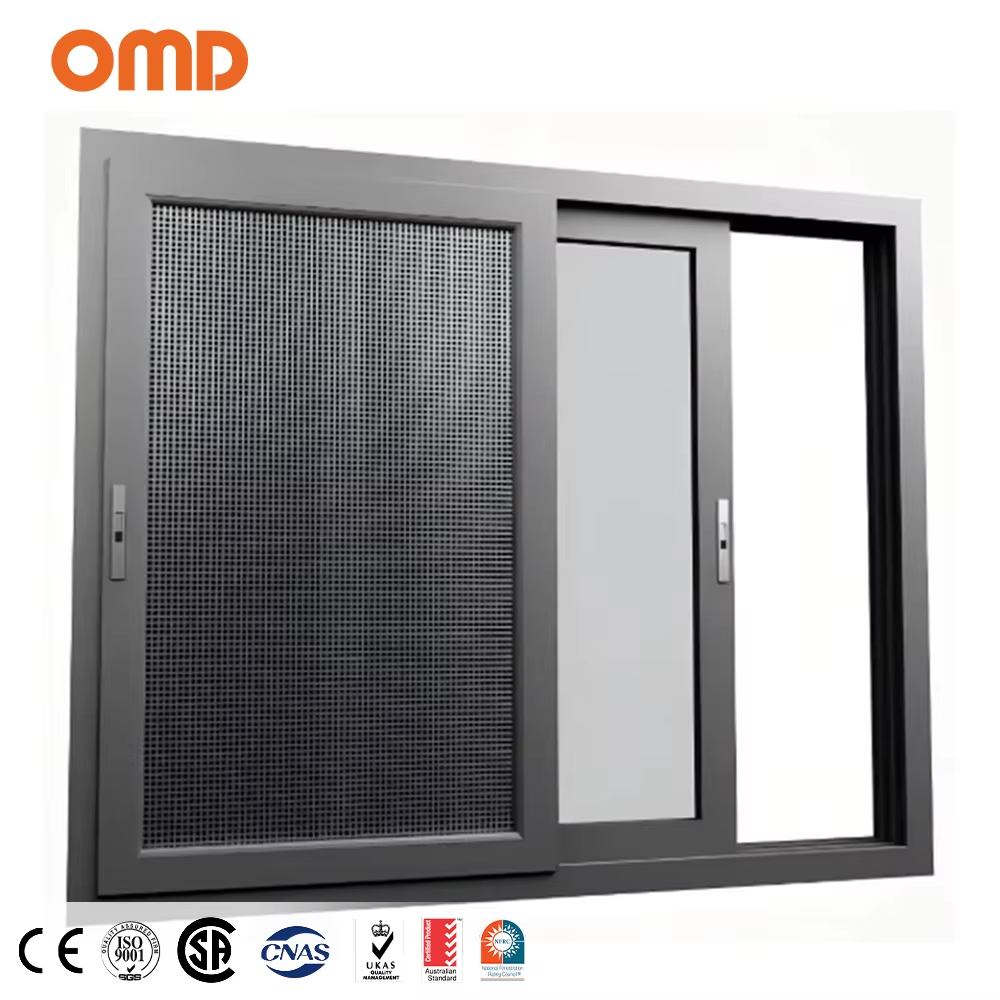
Thermal Efficiency: How Modern Aluminum Windows Achieve High Energy Performance
Thermal Break Technology and Its Role in Eliminating Conductive Heat Loss
Aluminum windows get a major upgrade thanks to thermal break tech, which involves placing a special polyamide barrier between the inside and outside parts of the frame. This clever gap stops aluminum from conducting heat so easily something that used to cause about half the energy losses in older window systems. Pair these thermal breaks with Low-E glass coatings and some inert gas filling, and suddenly aluminum frames can hit those great U-values previously only possible with wooden or plastic windows. The best part? These breaks maintain the strength of the frame but stop condensation issues cold. Buildings with this tech tend to stay at more stable temperatures, cutting down on heating and cooling costs anywhere from 15% to 30% across different climates.
U-Value Benchmarks: Aluminum Windows vs. PVC and Wood in Real-World Glazing Systems
Modern thermally broken aluminum windows now have certified U-values ranging between 0.8 to 1.2 W/(m²K), which beats standard wood options that typically sit around 1.4 to 2.0 and keeps pace with top-end PVC products at 0.9 to 1.4. That's a huge jump from older non-thermal broken aluminum models that struggled with poor efficiency ratings of 4.0 to 6.0 W/(m²K). What makes this possible? Multi-chamber thermal break profiles are the foundation, but some high performance versions go even further by incorporating aerogel enhanced insulation that can get down to impressive levels as low as 0.6 W/(m²K). Wood windows tend to lose their insulating properties over time unless they receive constant maintenance, while PVC materials face challenges with structural spans and experience thermal shifts when exposed to UV light for extended periods. Aluminum on the other hand holds up well in large window installations. Field tests confirm aluminum windows maintain about 12 to 18 percent better overall U-values than wooden alternatives in areas with high humidity, and they continue performing consistently after a decade of sun exposure where PVC would typically start showing signs of deterioration.
Structural Performance: Strength, Slenderness, and Facade Innovation with Aluminum Windows
Slim-Frame Design Enabling Maximum Glass-to-Wall Ratio Without Structural Compromise
The amazing strength to weight ratio of aluminum allows for really slim but strong profiles that can be as narrow as 45mm while still supporting large glazing units over 3 square meters without bending or warping. What this means practically is buildings can have about 15% more visible glass compared to similar PVC systems, which makes aluminum perfect when architects want those sleek floor to ceiling windows that are so popular these days. Inside these aluminum profiles there are special thermal barriers that keep things rigid even when facing wind pressures of around 2500 Pascals according to standard EN 12210. So structures stay stable during storms but still maintain good insulation properties instead of compromising on energy efficiency just to handle weather conditions.
Load-Bearing Capacity and Compliance in High-Rise and Curtain Wall Applications
Aluminum stands out when it comes to tough structural jobs. According to EN 13830 standards, aluminum can handle dead loads of 1.5 kN/m² over 4 meter spans, which is actually 40% better than wood would be in similar situations. This kind of strength makes sure buildings meet all those important requirements for earthquakes, hurricanes, and even tall building facades including things like unitized curtain walls. The best systems on the market today use structural silicone bonding along with reinforced corner cleats. These components work together to provide racking resistance exceeding 800 N/m while still keeping that crucial air tightness needed for proper performance in high rise construction projects.
Aesthetic Longevity: Surface Finishes and Architectural Expression in Aluminum Windows
Anodized, Powder-Coated, and Bespoke Finishes for Color Stability and Design Flexibility
The strength of aluminum surfaces starts deep within the metal itself. When we apply anodization, it creates a tough oxide layer that protects against corrosion and keeps the metal looking good for many years. Powder coating gives us access to hundreds of standard colors, plus special pigments that resist fading from sunlight. Tests show these coatings fade about 70 percent less than regular paint does. Architects love the custom possibilities too. Textured finishes and even wood grain effects let designers match almost any style, whether they're working on sleek modern buildings or gritty industrial spaces. Most importantly, once applied, these finishes don't need touching up for decades. A building can maintain its original appearance throughout its entire lifespan without constant repainting or refurbishment.
Sustainability and Lifecycle Value of Aluminum Windows
Windows made from aluminum actually give pretty good environmental and economic benefits throughout their whole life. Aluminum happens to be the metal that gets recycled the most globally, and can be recycled again and again without losing quality. This means we can keep materials out of landfills and create something closer to a circular system. Compared to wood or uPVC alternatives, aluminum won't warp, rot away, or get damaged by saltwater for around four decades or more. Even near the coast where conditions are tough, these windows stay looking good with almost zero upkeep needed. The long lasting nature of aluminum windows really helps boost property values too. Homes with green certified windows tend to sell for between 7 to 12 percent more according to a study from the National Association of Realtors back in 2023.
The energy efficiency aspect really boosts the economic benefits across the product's lifetime. Thermal breaks combined with better glazing options cut down on yearly heating bills and air conditioning expenses somewhere around 20 to 30 percent compared to those old single pane windows. This kind of saving typically pays back the upfront costs in about five to seven years just from what gets saved on utilities. Another plus point for aluminum is its fire resistant nature which actually helps bring down insurance rates while meeting stricter fire safety regulations. Looking at things holistically makes sense too when we consider how little maintenance these windows need, they basically never require replacement, and all those ongoing savings add up. Industry experts estimate that over time, aluminum window systems end up costing anywhere between 25 and 40 percent less overall than other material choices throughout their entire lifespan.
FAQ
What is the main advantage of thermal break technology in aluminum windows?
Thermal break technology involves placing a polyamide barrier in the aluminum frame, vastly reducing heat conduction and energy loss, while maintaining frame strength and preventing condensation.
How do aluminum windows compare in terms of U-values with other materials?
Modern aluminum windows with thermal breaks have U-values ranging from 0.8 to 1.2 W/(m²K), surpassing standard wood options and competing with top-end PVC products.
Why is aluminum preferred in structural applications for windows?
Aluminum offers high strength-to-weight ratios, slim profiles supporting large glass units, and excellent load-bearing capacity, ideal for high-rise buildings and curtain wall applications.
What kind of finishes are available for aluminum windows?
Aluminum windows can have anodized, powder-coated, and bespoke finishes, offering excellent color stability and corrosion resistance along with numerous design choices.
Are aluminum windows environmentally sustainable?
Yes, aluminum is the most widely recycled metal and can be recycled repeatedly without losing quality, making it a sustainable choice that adds to lifecycle value.
Table of Contents
- Thermal Efficiency: How Modern Aluminum Windows Achieve High Energy Performance
- Structural Performance: Strength, Slenderness, and Facade Innovation with Aluminum Windows
- Aesthetic Longevity: Surface Finishes and Architectural Expression in Aluminum Windows
- Sustainability and Lifecycle Value of Aluminum Windows
- FAQ