
 EN
EN
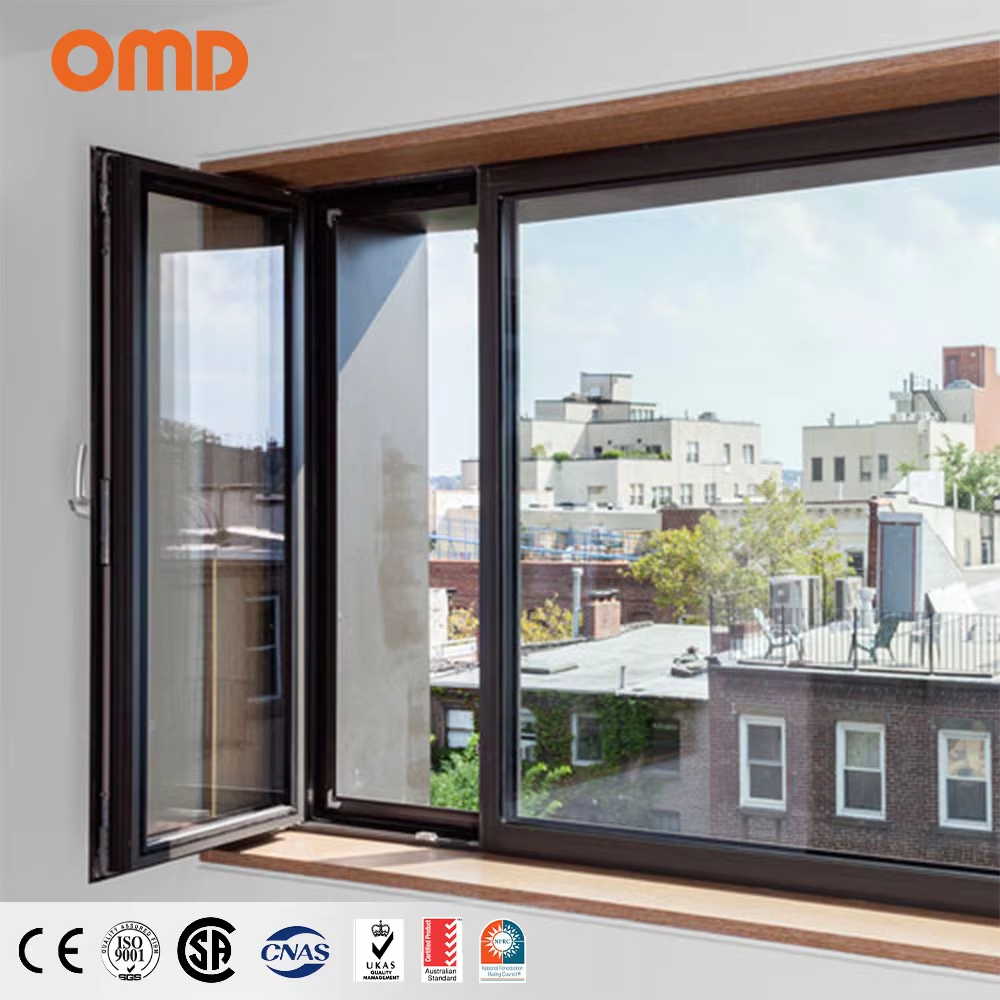
Smart Crank Mechanisms for Effortless Casement Window Operation
Modern casement window operation has transformed through intelligent crank designs that prioritize user experience—minimizing physical exertion while maximizing control, precision, and accessibility.
Ergonomic and Nesting Crank Handle Designs
The new crank handles have these curved shapes that actually fit how hands work, which means less stress on the wrists when turning them. Pretty important for folks who struggle with grip strength issues or arthritis problems. When they're not being used, there's this clever folding system that makes the handle lie flat against the window frame. No more sticking out parts getting in the way of curtains, blinds, or bumping into countertops. The whole design is really space smart too. Looks good while taking up minimal room, so it works great in tight spots where every inch counts, like most modern kitchens and bathroom setups these days.
Gear-Reduced and Soft-Start Crank Systems
Planetary gear systems with multiple stages can reduce operating force by as much as 70% compared to regular crank mechanisms. They work by increasing mechanical advantage and spreading out the torque load across different parts of the system. When these gears are equipped with soft start features, they get rid of that annoying initial jerk when starting up. This makes everything move smoothly instead of jerking suddenly which helps keep those delicate compression gaskets and seals intact. Plus it allows for much finer control over how air flows through the system. Manufacturers also use special greases that won't freeze solid in winter and materials that stay stable even when temperatures fluctuate wildly between freezing cold days and hot humid summer afternoons.
Multi-Point Locking Systems: Security and Energy Efficiency for Casement Windows
Hook-Lock Configurations, Airtight Seals, and ASTM F2090 Compliance
Multi point locking systems typically feature between three and five hardened steel hooks mounted along the window frame. These distribute force across multiple points, making them capable of resisting around 1200 pounds of pressure from forced entry attempts. That's roughly three times stronger than what standard single point latches can handle. What makes these systems really effective is how they pull the sash snug against compression gaskets. This creates a much better seal against outside air, cutting down on drafts by as much as 75 percent when compared to regular locks. The result? Lower bills for heating and cooling throughout the year. When shopping for security hardware, look for products that meet ASTM F2090 standards. This certification means the product has passed strict tests simulating real world attacks like prying, drilling, and using leverage tools. Most reputable manufacturers will prominently display this certification on their packaging or websites.
Seamless Integration with Smart Home Security Platforms
High quality multi point locks come equipped with tiny sensors that work seamlessly with home automation systems such as Apple HomeKit and Samsung SmartThings. These locks send instant notifications if someone tries to tamper with them by pulling on the hooks when they're locked. Some models even turn on lights or start recording cameras automatically when there's suspicious activity detected. The communication between these locks and their control systems is protected by strong AES 128 bit encryption, which keeps hackers from interfering with signals. And just in case something goes wrong with electricity, there's always a manual keyhole for opening the door. According to recent tests, homes with these advanced locking systems saw around three quarters fewer break in attempts last year compared to traditional locks. For anyone concerned about keeping their property safe, investing in smart enabled doors makes sense both practically and financially.
Friction Hinge Innovations Enhancing Casement Window Durability and Control
Self-Adjusting Friction Hinges for Long-Term Alignment Stability
Self adjusting friction hinges take care of material wear, thermal expansion issues, and settling problems so there's no need to keep manually adjusting tension settings. Inside these hinges are spring loaded parts that work constantly to spread out pressure evenly, keeping the resistance level right where it should be and making sure the sash stays aligned properly with the frame over time, regardless of weather changes. Tests done in the industry show these hinges can handle over 15 thousand cycles before showing any signs of wear on their seals or losing smooth operation. These hinges stop something called sash droop which is actually one of the main reasons for air leaks and early gasket failures. As a result, they cut down on infiltration by around 40 percent compared to regular models. Plus, the hardware lasts much longer than 25 years even when installed near saltwater coasts or in areas with extreme heat conditions.
Sustainable Materials Advancing Casement Window Hardware Performance
The latest generation of casement window hardware is starting to incorporate more eco-friendly materials that actually work better over time. Take recycled aluminum alloys for instance. Many top quality cranks and locking systems now use these instead of new aluminum. They're just as strong against rust and wear but require way less energy to produce about 95% less according to industry data. Then there are those fiberglass reinforced plastics that have become popular too. These materials hold their shape really well and don't conduct heat nearly as much as traditional options. Tests show they can reduce heat loss through windows by around 40%, which means better insulation overall. Some manufacturers are even using specially treated wood for parts like crank handles and hinge bases. This wood grows back quickly and stands up better to humidity changes and water exposure than regular untreated timber. When all these components come together, we're seeing hardware last well past 25 years in most installations. Plus, almost everything can be recycled at the end of its life cycle. While some might worry about performance compromises, the reality is these green alternatives maintain excellent security features, operate smoothly, and handle harsh weather conditions just fine.
FAQ
1. What are the benefits of smart crank mechanisms for casement windows?
Smart crank mechanisms prioritize user experience by minimizing physical exertion and maximizing control, precision, and accessibility, making them ideal for individuals with grip strength issues or arthritis problems.
2. How do multi-point locking systems improve window security and efficiency?
Multi-point locking systems distribute force across multiple points, enhancing security and improving airtight seals to reduce drafts and energy costs.
3. What makes self-adjusting friction hinges beneficial for windows?
Self-adjusting friction hinges automatically handle material wear and environmental changes, ensuring long-term alignment stability and reducing air leaks.
4. How are sustainable materials used in casement window hardware?
Sustainable materials like recycled aluminum alloys and fiberglass reinforced plastics improve durability, reduce energy production needs, and provide better insulation, while maintaining operational performance.