
 EN
EN
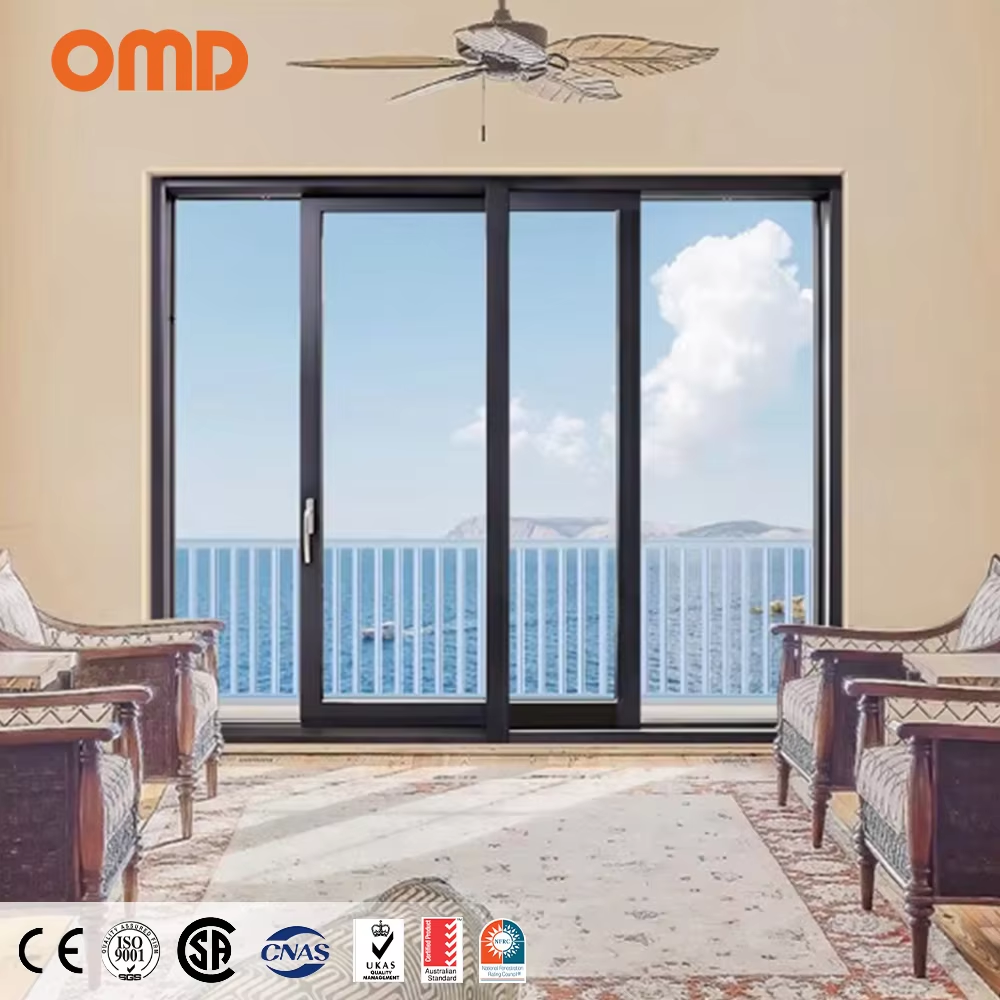
Strategic Placement of Sliding Windows for Maximum Light Capture
Optimal Orientation and Solar Path Alignment
When placing sliding windows, think about how they line up with where the sun travels throughout the year. South facing ones tend to grab around 30% extra daylight each year if you're in the northern parts of the country. There are some great online tools out there like SunCalc that let folks map out those seasonal sun paths and tweak window angles accordingly. East facing windows bring in that nice soft morning light most people love waking up to, whereas west facing ones keep things lit well into the afternoons when many still need to work. North facing windows aren't bad at all either actually. They just provide steady lighting without harsh shadows, making them perfect for areas where glare might be problematic but overall brightness isn't as important.
Room-Specific Sizing, Height, and Glazing Area Ratios
Tailor window dimensions to functional needs using evidence-based glazing-to-wall ratios:
| Room Type | Ideal Glazing Ratio | Height Placement |
|---|---|---|
| Living Areas | 20–30% | Floor-to-ceiling |
| Kitchens | 15–25% | Countertop-level |
| Bedrooms | 10–20% | Eye-level upward |
Pair appropriate sizing with low-iron glass to maximize visible light transmittance (VLT), while ensuring thermal performance remains aligned with local climate requirements and building energy standards.
Mitigating Interior and Exterior Light Obstructions
To cut down on outside shading, trim back plants growing taller than about one and a half times the window's height. Going for slim profile sliding tracks also helps since they take up less space around the window frames. Don't place windows under areas that will block sunlight all day long, like deep eaves, overhanging balconies, or neighboring buildings casting constant shadows. Inside spaces, keep at least six feet clear between walls so light can move freely through the room. Think carefully about how furniture is arranged too. Adding reflective materials makes a big difference. Walls painted with light colored finishes or floors that shine well help scatter natural light throughout interior spaces instead of letting it get absorbed. Motorized sheer shades work great because they completely disappear when pulled up, allowing maximum daylight entry while still maintaining privacy and comfort levels whenever needed.
Sliding Window Configurations That Enhance Daylighting Performance
Single- vs. Multi-Panel Sliding Windows: Light Transmission Efficiency
Single panel sliding windows actually let in way more natural light because they don't have those annoying center mullions and take up less space around the edges. Studies show these windows can bring in about 10 to maybe even 15 percent more light compared to similar sized multi panel windows. The thing about multi panel setups though is that they work better for bigger openings since they need extra support structures. But this comes at a cost - those supporting parts cut down on usable glass area by roughly 20% according to what most professionals in the field report. When it comes to areas where good lighting matters most, say living rooms or family spaces, single panel options clearly win out. They provide a straighter path for sunlight and fit much better with passive solar design principles. This is particularly true for north facing walls where getting plenty of light without bringing in too much heat becomes really important during colder months.
Full-Open Sliding Windows for Uninterrupted Light and Airflow
When fully opened, these configurations get rid of everything in the middle so there's nothing blocking the view. The opening ends up being about double what we see in regular sliding doors. Getting more natural light into a space is a big plus too. Studies show around 30 to maybe 40 percent more daylight coming through compared to those fixed windows or ones that only open partway. Plus, air moves through much better this way. These systems work great in areas where inside meets outside, like patios or sunrooms. People love how open it feels and how the light spreads throughout the room evenly. Adding some fixed panels alongside the moving parts keeps the nice views visible even when shut. And guess what? The whole setup actually helps reduce energy use because it takes advantage of nature's own heating and cooling processes.
Interior Design Strategies to Amplify Light from Sliding Windows
Light-Reflective Surfaces: Paints, Mirrors, and Flooring Choices
Putting mirrors right across from sliding windows can really boost how much natural light gets into a space by bouncing sunlight around the room. Pair that with glossy walls and ceilings that have an LRV rating over 80%, these surfaces bounce back way more light compared to regular matte or eggshell paints. For floors, lighter options like bleached oak or polished concrete work well too since they reflect between 40% to 60% of available light. Small touches matter as well. Things like brushed nickel hardware or some mirrored trim here and there actually make the whole space feel brighter without causing harsh glare. All these elements work together especially well with those big sliding window areas, creating a nice depth of light throughout the day so we don't need to turn on lights as often when it's sunny outside.
Minimalist Window Treatments: Sheers, Motorized Shades, and Frameless Options
Sliding windows can maintain their connection to natural light when treated properly for both visibility and control. Lightweight sheer materials let about 90 to 95 percent of sunlight through during the day, keeping spaces private while smoothing out sharp corners and harsh lighting effects. The frameless recessed track systems work great because they don't block views at the edges, so people still get those uninterrupted sight lines they love. Motorized shades that respond to where the sun is positioned throughout the day automatically adjust themselves, letting in just the right amount of light without causing heat buildup or annoying glare spots. Plus, nobody has to touch cords or deal with shadow problems from them hanging around. All these features combined help keep that feeling of space and freshness that makes sliding windows such a popular choice in modern architecture.
Energy-Efficient Glazing Solutions for High-Performance Sliding Windows
Low-E Coatings and Triple-Glazing: Balancing Visible Light Transmittance (VLT) and Thermal Insulation
Sliding windows aren't just pretty glass anymore thanks to modern glazing technology that turns them into actual climate control systems. These special low-emissivity coatings work with super thin metal layers to let about 60 to 80 percent of visible light through while bouncing back nearly all the infrared heat from the sun. That means plenty of natural light gets in without making rooms uncomfortably warm. When builders go for triple glazing, they're essentially adding two extra spaces filled with gases like argon or krypton between three glass panels. This setup cuts down on heat loss compared to regular double glazed windows by around half. For those looking at top performance, combining these high visible light transmission coatings with triple glazing can bring down U-values to under 0.15 W per square meter Kelvin. Both Passive House standards and ENERGY STAR certification recognize this level as exceptional for buildings needing minimal energy. The result? Less reliance on heating and cooling systems throughout the year, better temperature stability inside, and still lots of soft natural light coming through. Studies show occupants actually save between 20 and 30 percent on energy costs while enjoying brighter spaces and feeling more comfortable overall.
Frequently Asked Questions
What is the best orientation for sliding windows to capture maximum daylight?
South-facing windows generally capture the most daylight, around 30% more annually, which is particularly beneficial in northern regions.
How can window sizing affect light entry in different rooms?
Adjusting window size and height based on room function ensures optimal lighting. For example, living areas benefit from floor-to-ceiling windows, while kitchens should aim for countertop-level placement.
What window configurations enhance daylighting performance the most?
Single panel sliding windows allow more light entry as they lack center mullions and are more space-efficient. Full-open sliding windows also maximize daylight and airflow, ideal for bridging indoor and outdoor spaces.
How can interior design amplify natural light from sliding windows?
Using light-reflective materials like mirrors and high-LRV paints, along with minimalist window treatments such as sheers, can significantly enhance light spread within interiors.
What are energy-efficient glazing solutions for sliding windows?
Low-E coatings and triple-glazing offer both superior VLT and thermal insulation, helping maintain optimal temperatures while allowing substantial natural light entry.
Table of Contents
- Strategic Placement of Sliding Windows for Maximum Light Capture
- Sliding Window Configurations That Enhance Daylighting Performance
- Interior Design Strategies to Amplify Light from Sliding Windows
- Energy-Efficient Glazing Solutions for High-Performance Sliding Windows
-
Frequently Asked Questions
- What is the best orientation for sliding windows to capture maximum daylight?
- How can window sizing affect light entry in different rooms?
- What window configurations enhance daylighting performance the most?
- How can interior design amplify natural light from sliding windows?
- What are energy-efficient glazing solutions for sliding windows?