
 EN
EN
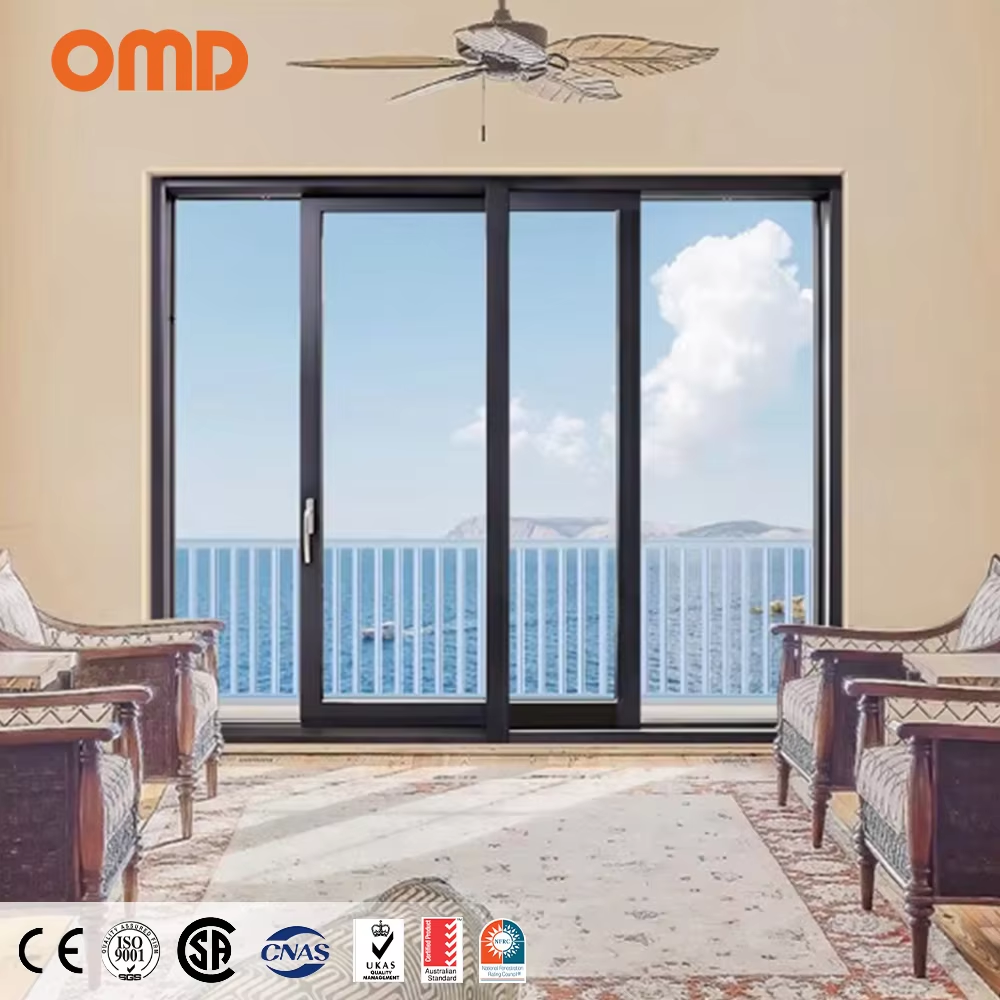
Why Sliding Windows Require Less Maintenance Than Other Window Types
Fewer Moving Parts Reduce Failure Risk and Service Needs
Sliding windows work on simple horizontal tracks that don't involve much complicated machinery. Casement and double hung windows need hinges, crank handles, or those balancing weights to function properly. Sliders cut down on problems by about two thirds compared to these other types. The numbers back this up too according to recent industry reports from NAHB in 2023 showing sliding window owners call for repairs roughly 42 percent less often than people with casement style windows. Since there are just basic parts involved like wheels rolling along metal tracks, most common issues simply don't happen at all. Homeowners won't find themselves replacing broken hinges or adjusting stiff springs every few years as they might with other window designs.
Simplified Hardware Design Enhances Long-Term Durability
Sliding windows tend to last longer because they don't have all those complicated moving parts that break down over time. The tracks and rollers are usually made from materials like aluminum or special plastic blends that stand up pretty well against rain, snow, and sun damage. People actually notice this difference in daily life. According to some recent research from Home Innovation Lab back in 2024, folks report cleaning these windows about 31% easier than other styles on the market. And let's face it, who wants to climb ladders outside? Most sliding window designs come with features that make cleaning much simpler from inside the house, either through tilting sections or panels that pop right out when needed.
Essential Sliding Window Maintenance Routines
Cleaning Tracks Effectively: Tools, Frequency, and Debris Prevention
Keep sliding window tracks debris-free using these essential tools:
- Soft-bristle brush (removes loose particles without scratching)
- Vacuum with crevice attachment (sucks out stubborn grit)
- Microfiber cloth and mild detergent solution (dissolves grime)
- Toothpicks or cotton swabs (for corner residue)
Keeping those window tracks clean every few months helps avoid problems down the road, especially after heavy rains or snowstorms when minerals tend to stick around longer. To cut down on mess, move potted plants like ferns or succulents away from where they might drop leaves into the track area. Good quality mesh screens can stop most bugs too. Checking things out regularly makes sense because dirty tracks are actually responsible for more than half of all sliding window troubles according to research from Fenestration folks. We've seen this happen time and again with clients who neglect maintenance until their windows start sticking badly during cold weather.
Safe Lubrication of Rollers and Tracks — Recommended Products and Timing
Apply specialized silicone-based lubricants every 3–6 months for smooth operation:
| Product Type | Advantages | Application Frequency |
|---|---|---|
| Silicone spray | Non-greasy, dust-resistant | Every 6 months |
| PTFE dry lubricant | No residue buildup | Every 3 months |
| Graphite powder | Ideal for high-humidity areas | Every 4 months |
Avoid petroleum-based oils that attract dirt and degrade components. Apply sparingly along rollers and track grooves after thorough cleaning—excess lubricant traps particles. Test movement immediately after application; proper lubrication reduces mechanical wear by up to 70% (Materials Engineering Research Consortium).
How Proactive Track and Roller Care Extends Sliding Window Lifespan
Keeping sliding window tracks and rollers in good shape stops them from wearing out too soon. When dirt builds up, it actually speeds up roller damage by about 30%. And if people forget to lubricate these parts regularly, the components have to fight against 40% more resistance than normal. Most homeowners find that cleaning their tracks once every three months with a gentle brush helps keep things running smoothly. Applying some silicone lubricant between three to six months apart prevents those pesky metal fatigue problems and stops plastic parts from warping over time. Regular maintenance cuts down on mechanical stress by roughly half compared to windows that get no attention at all, which means the whole system lasts twice as long. Getting a professional to check everything now and then catches small alignment problems before they turn into expensive headaches later on.
Real-World Validation: Sliding Windows Lead in Ease of Use and Cleaning
Industry Data: 42% Lower Service Calls vs. Casement Windows (NAHB 2023)
According to NAHB's research from 2023, sliding windows really do require less maintenance overall. Homeowners are calling for repairs about 42 percent less often when they have sliding windows instead of those casement ones. Why? Well, it all comes down to how these windows actually work mechanically. Sliding models use simple horizontal tracks with rollers that just don't put as much strain on things compared to those complicated multi-joint crank systems found in other window types. Since there are simply fewer moving parts involved, sliding windows aren't as likely to warp from weather changes or experience gear problems over time. And this makes sense why many people end up saving money on repairs in the long run with sliding window installations.
User Experience Insights: 31% Higher Ease-of-Cleaning Scores (Home Innovation Lab 2024)
According to the Home Innovation Lab's report from 2024, people who live in homes with sliding windows give them about 31 percent better ratings when it comes to how easy they are to clean compared to those old fashioned double hung models. The main reason folks like these sliding options so much is because of their accessible tracks and those handy tilt in sashes that mean no climbing outside on ladders anymore. Many testers mentioned how nice it was not having those pesky obstructions blocking views while doing regular cleaning tasks, which makes all the difference especially when windows are installed high up on floors above ground level. These practical advantages help explain why sliding windows keep coming out ahead of other window types when measuring overall comfort and convenience factors in different kinds of houses ranging from apartments to single family homes.
FAQ
What are the main benefits of sliding windows?
Sliding windows require less maintenance and have fewer moving parts, leading to a lower failure risk. They also enjoy longer-lasting durability thanks to simpler hardware and materials resistant to weather damage.
How often should I clean and lubricate sliding window tracks?
It's recommended to clean the tracks every three months and lubricate them with silicone-based products every three to six months depending on the lubricant type to ensure smooth operation.
Why do sliding windows have lower maintenance needs than other types?
Sliding windows operate on simple horizontal tracks and have fewer mechanical parts than casement or double hung windows, reducing the need for frequent repairs and adjustments.